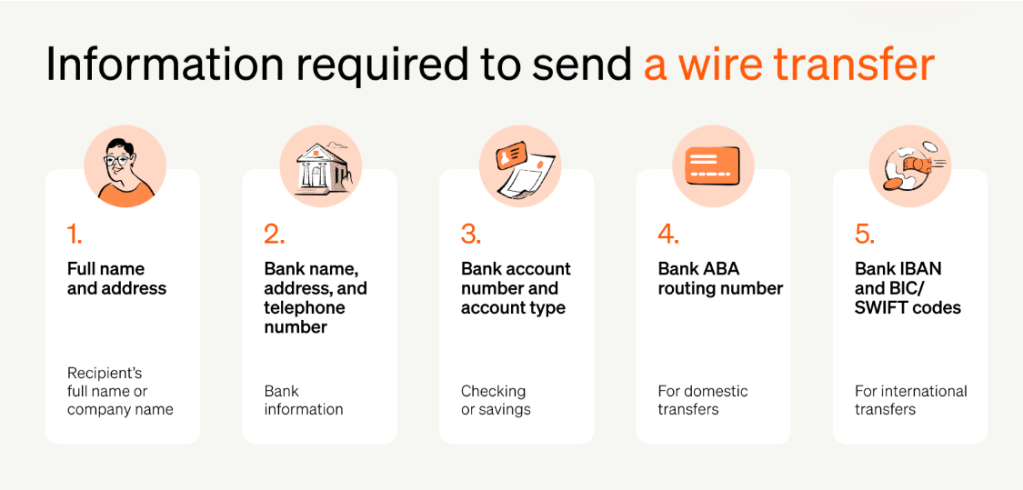
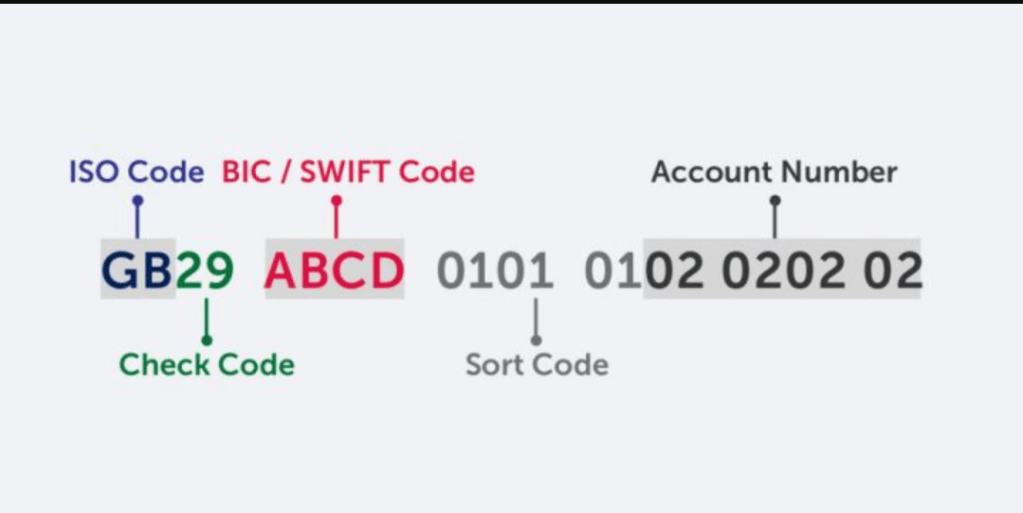
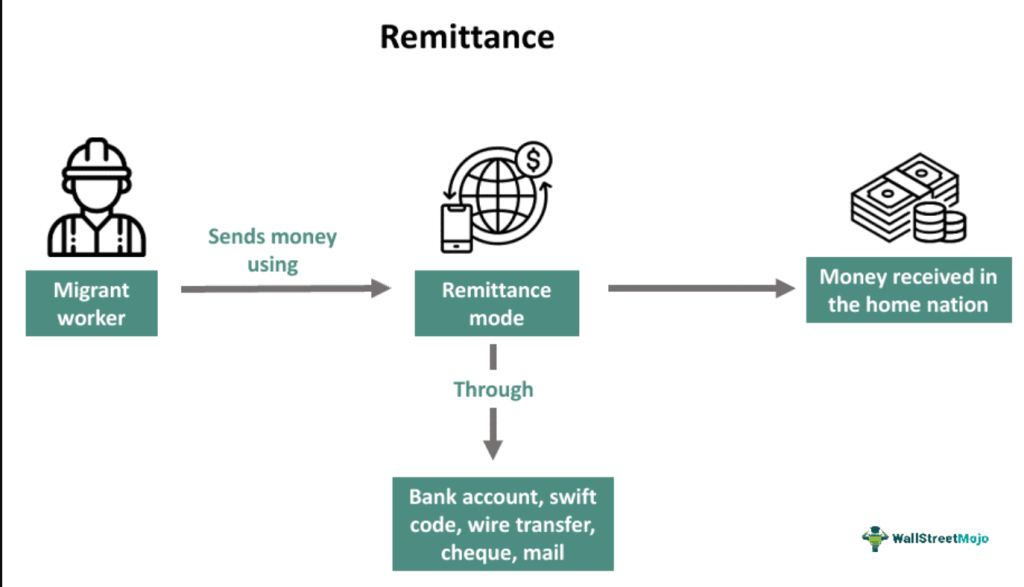
• Picture this: You’re excited about opening a new bank account after finding better interest rates online. Instead of a quick signature, you’re handed a stack of forms and asked for multiple documents. Sound familiar? Welcome to the world of KYC – a process that’s become as common as your morning coffee for anyone dealing with financial services today.

    Whether you’re sending money abroad, opening a cryptocurrency account, or simply switching banks, understanding KYC can save you time, frustration, and potentially money. I’ve navigated countless KYC processes myself, and I’m here to break down everything you need to know in simple terms.

    Understanding KYC: What Does Know Your Customer Really Mean?

    KYC’s meaning goes far beyond just collecting your documents. Know Your Customer is a regulatory framework that requires financial institutions to verify your identity, understand your financial behavior, and assess potential risks before providing services. Think of it as a digital handshake that builds trust between you and your bank.

    The concept isn’t new – banks have always needed to know their customers. However, modern KYC evolved dramatically after the 9/11 attacks when governments worldwide realized how easily criminals could exploit financial systems. Today’s KYC process combines traditional verification with cutting-edge technology to create a comprehensive security net.

    Here’s what makes KYC different from simple identity verification:

    • Ongoing monitoring: Unlike a one-time check, KYC continues throughout your relationship with the institution
    • Risk assessment: Your profile gets categorized based on various factors like income, transaction patterns, and geographical location
    • Regulatory compliance: Banks must follow specific rules or face hefty penalties

    The KYC vs AML Connection

    You’ll often hear KYC vs AML (Anti-Money Laundering) mentioned together, but they serve different purposes. While KYC focuses on knowing who you are, AML monitors what you do with your money. They work hand-in-hand – KYC provides the foundation, and AML builds the monitoring system on top.

    Why KYC Matters: The Critical Importance You Should Know

    Understanding why KYC exists helps you appreciate its necessity rather than viewing it as a bureaucratic hassle. The numbers tell a compelling story:

    • Money laundering: Criminals wash approximately $2-5 trillion annually through the global financial system
    • Penalties: Banks paid over $10 billion in AML-related fines in 2023 alone
    • Fraud prevention: Proper KYC reduces financial fraud by up to 70%

    Personal Benefits of KYC


    While KYC might seem like it only benefits banks, you actually gain several advantages:

    Enhanced Security: Your accounts become significantly harder for criminals to access or impersonate. I’ve seen cases where robust KYC prevented unauthorized account openings using stolen identities.

    Better Service: Banks can offer personalized products when they understand your financial profile. This means better loan rates, investment options, and customer service.

    Global Access: Proper KYC documentation enables you to access international money transfer services and banking facilities worldwide without repeated verification.

    The Complete KYC Process: Step-by-Step Guide

    Let me walk you through the typical KYC process steps you’ll encounter:
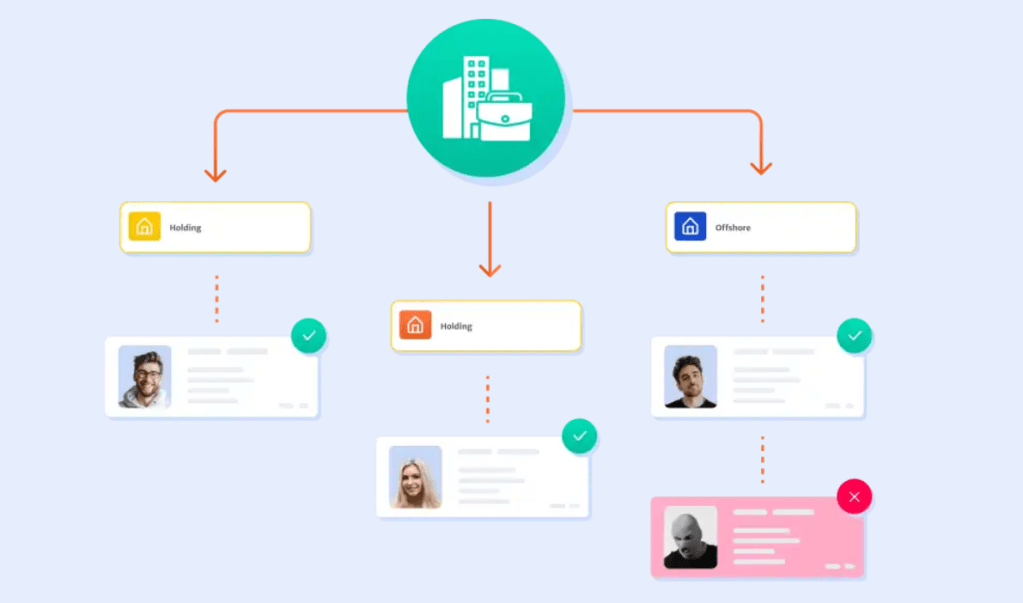
    What is KYC in Banking


    Source: kychub

    Step 1: Customer Identification Program (CIP)


    This initial phase involves collecting basic information about you. Banks need to verify four key elements:

    • Name: Full legal name as it appears on government documents
    • Date of birth: For age verification and identity confirmation
    • Address: Current residential address for correspondence
    • Identification number: Social Security Number, passport number, or similar

    Step 2: Document Verification

    Here’s where you’ll provide the actual KYC documents needed:

    Document TypeExamplesPurpose
    Identity ProofPassport, Driver’s License, National IDConfirms who you are
    Address ProofUtility bills, Bank statements, Rental agreementsVerifies where you live
    Income ProofSalary slips, Tax returns, Bank statementsAssesses financial capacity

    Step 3: Customer Due Diligence (CDD)


    Banks dig deeper into your background during this phase. They’ll check:

    • Credit history: Your borrowing and repayment track record
    • Employment status: Current job and income stability
    • Transaction patterns: Expected account activity based on your profile


    Step 4: Risk Assessment and Categorization


    You’ll be placed into one of these risk categories:

    • Low Risk: Regular salary earners with simple banking needs
    • Medium Risk: Business owners or high-income individuals
    • High Risk: Politically exposed persons or complex financial structures

    KYC Documentation: What You Actually Need to Provide

    The KYC documents needed vary based on your situation, but here’s a comprehensive breakdown:

    Individual Customer Requirements


    Primary Documents (any one):

    • Passport with photograph
    • Driver’s license with photograph
    • National identity card
    • Voter ID card

    Secondary Documents (supporting):

    • Bank account statements (last 3 months)
    • Utility bills (electricity, gas, water)
    • Rental agreement or property documents
    • Employment letter or salary certificate

    Special Considerations for Different Scenarios


    For Students: Many banks offer simplified KYC processes requiring just a college ID and parents’ documentation.

    For NRIs (Non-Resident Indians): KYC challenges for NRIs include additional documentation like overseas address proof, visa copies, and sometimes consular verification.

    For Senior Citizens: Banks often provide home visits or relaxed documentation requirements for elderly customers.

    KYC in Banking: Your Everyday Financial Life


    KYC in banking affects almost every financial service you use. Let me break down how different banking activities involve KYC:


    Account Opening

    Opening any new bank account triggers a complete KYC process. The KYC verification time typically ranges from 24 hours to 7 days, depending on:

    • Complexity of your profile: Simple salary accounts process faster
    • Document quality: Clear, readable documents speed up verification
    • Bank’s technology: Digital banks often complete KYC within hours

    Loan Applications

    When applying for loans, banks conduct enhanced KYC that includes:

    • Income verification: Detailed salary slips and tax returns
    • Asset evaluation: Property documents if you’re pledging collateral
    • Guarantor verification: KYC of co-signers or guarantors

    International Transactions

    If you’re planning to send money abroad, banks require additional KYC documentation:

    • Purpose of transfer: Invoice, education fees receipt, or medical bills
    • Beneficiary details: Complete information about the recipient
    • Source of funds: Proof of how you earned the money you’re sending

    KYC for Cryptocurrency: The Digital Revolution


    KYC for cryptocurrency has become increasingly important as digital assets enter mainstream finance. Crypto exchanges now implement KYC processes that often exceed traditional banking requirements.


    Why Crypto KYC is Stricter


    Cryptocurrency’s anonymous nature makes it attractive for money laundering, so regulators demand comprehensive verification:

    • Enhanced documentation: Multiple forms of ID and address proof
    • Source of funds: Detailed explanation of how you acquired crypto investments
    • Transaction monitoring: Continuous surveillance of your trading patterns


    The Crypto KYC Process


    Here’s what you’ll encounter when signing up for a cryptocurrency exchange:

    • Basic verification: Name, email, and phone number
    • Identity verification: Photo ID and selfie verification
    • Address verification: Utility bills or bank statements
    • Enhanced verification: Income proof and source of funds documentation

    Global KYC Regulations: What You Need to Know

    KYC compliance regulations vary significantly across countries, but several international standards guide implementation:

    Major Regulatory Frameworks

    United States: The Bank Secrecy Act and USA PATRIOT Act form the foundation of US KYC requirements. Banks must implement Customer Identification Programs and maintain detailed records.

    European Union: The Fifth Anti-Money Laundering Directive requires banks to identify beneficial owners and implement risk-based approaches to customer verification.

    India: The Reserve Bank of India mandates different KYC levels – from basic accounts with simplified requirements to full KYC for comprehensive banking services.

    Simplified KYC: Making the Process Easier


    Recognizing that traditional KYC can be burdensome, many countries now offer simplified KYC processes for specific situations:


    When You Can Use Simplified KYC

    • Small account balances: Accounts with limited transaction amounts
    • Government benefit recipients: Social security or pension beneficiaries
    • Students: Educational institution verification
    • Rural populations: Alternative documentation acceptance

    Digital KYC Innovations


    Modern technology has revolutionized KYC through:

    • Video KYC: Face-to-face verification through video calls, eliminating branch visits
    • Biometric Authentication: Fingerprint and facial recognition for instant verification
    • AI-Powered Verification: Machine learning algorithms that detect fake documents and fraud attempts

    Common KYC Challenges and How to Overcome Them

    Based on my experience helping people navigate KYC processes, here are the most common challenges and solutions:
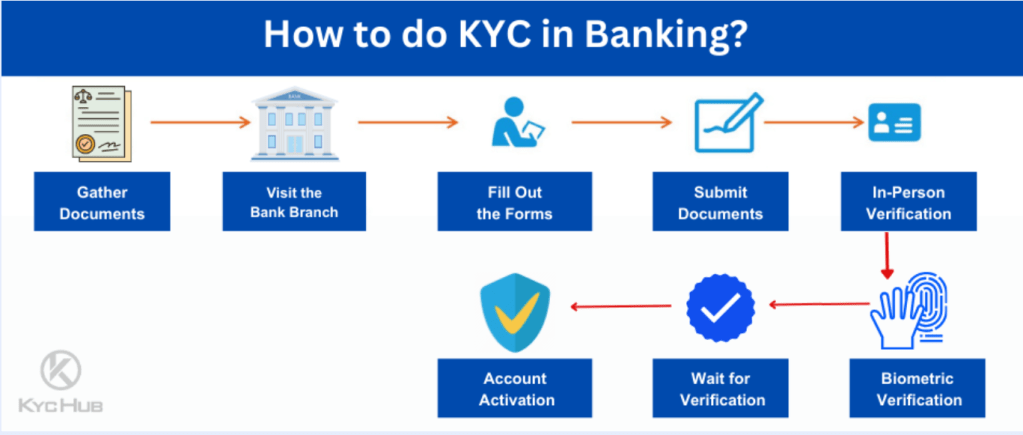
    How to do KYC Banking?

    Source: kychub

    Documentation Issues


    Problem: Rejected documents due to quality or authenticity concerns

    Solution: Ensure documents are:

    • High-resolution scans or photos
    • Clearly readable without shadows or glare
    • Recent (typically within 3 months for address proof)
    • Properly signed and stamped where required


    Address Verification Problems


    Problem: Difficulty proving an address for people who frequently move

    Solution:

    • Use bank statements from your previous address
    • Obtain a letter from your employer confirming your current address
    • Consider using a family member’s address with proper authorization


    International Complications


    Problem: Foreign documents are not accepted or require translation

    Solution:

    • Get documents translated by certified translators
    • Use an apostille certification for international document authentication
    • Provide additional supporting documentation

    The Cost of KYC: What It Means for You


    While you don’t directly pay for KYC, the costs ultimately affect the services you receive:


    Hidden Costs You Bear

    • Higher service fees: Banks pass KYC costs through increased charges
    • Slower processing: Manual verification takes longer than automated systems
    • Limited access: Some services become unavailable due to compliance complexity


    The Value Proposition


    Despite the costs, KYC provides significant value:

    • Fraud protection: Reduces your risk of identity theft
    • Better rates: Verified customers often receive preferential pricing
    • Global access: Enables participation in the international financial system

    Future of KYC: What’s Coming Next


    The KYC landscape continues evolving rapidly, with several trends shaping its future:


    Technological Advances


    Blockchain-based Identity: Self-sovereign identity solutions that give you control over your personal data while maintaining privacy.

    Artificial Intelligence: AI systems that can verify documents instantly and detect sophisticated fraud attempts.

    Biometric Integration: Advanced biometric systems using voice patterns, gait analysis, and even DNA verification.


    Regulatory Evolution


    Global Standardization: International efforts to harmonize KYC requirements across borders.

    Privacy Protection: Balancing verification needs with data protection requirements like GDPR.

    Digital-First Approach: Regulations adapting to support fully digital verification processes.

    Practical Tips for Smooth KYC Completion


    Here’s my advice for making your next KYC process as painless as possible:


    Before You Start

    • Gather all documents: Collect everything you might need before beginning
    • Check requirements: Verify specific requirements with your bank or service provider
    • Plan timing: Allow extra time for verification, especially during busy periods
    • Keep copies: Maintain digital copies of all submitted documents


    During the Process

    • Be honest: Provide accurate information – inconsistencies cause delays
    • Ask questions: Don’t hesitate to clarify requirements with customer service
    • Follow up: Check on your application status if you don’t hear back within the expected timeframes
    • Stay organized: Keep track of submission dates and reference numbers

    After Completion

    • Update regularly: Inform your bank about address changes or other significant life events
    • Monitor communications: Banks may request updated documentation periodically.
    • Understand limitations: Know what services require additional verification

    Conclusion: Mastering KYC for Your Financial Journey


    Understanding KYC isn’t just about compliance – it’s about taking control of your financial life. Whether you’re opening your first bank account, planning to send money abroad, or exploring international money transfer services, knowing what to expect from the KYC process empowers you to navigate it confidently.

    The key takeaways for your KYC journey:

    • Prepare thoroughly: Gather all necessary documents before starting
    • Stay informed: Understand the requirements for your specific situation
    • Embrace technology: Use digital KYC options when available
    • Plan ahead: Allow sufficient time for verification processes
    • Keep records: Maintain copies of all submitted documents

    As financial services continue evolving, KYC will become more sophisticated but also more user-friendly. The goal remains the same: creating a secure, trustworthy financial ecosystem that protects everyone involved.

    Remember, KYC isn’t just a regulatory hurdle – it’s your gateway to secure, comprehensive financial services that can help you achieve your goals, whether that’s buying a home, starting a business, or simply managing your money more effectively. With the right preparation and understanding, you can turn what seems like a complex process into a straightforward step toward your financial future.

    Frequently Asked Questions About KYC


    What does KYC stand for?


    KYC stands for “Know Your Customer.” It’s a regulatory requirement that mandates financial institutions to verify the identity of their customers and assess their risk profiles before providing services.


    Why is KYC important in banking?


    KYC is crucial in banking because it:

    Prevents money laundering and terrorist financing

    • Protects banks from regulatory penalties
    • Reduces fraud and identity theft
    • Enables banks to offer appropriate services based on customer risk profiles
    • Maintains the integrity of the financial system


    What documents are required for KYC?


    The basic KYC documents needed include:

    • Identity proof: Passport, driver’s license, or national ID card
    • Address proof: Utility bills, bank statements, or rental agreements (within 3 months)
    • Income proof: Salary slips, tax returns, or employment letters
    • Photographs: Recent passport-size photos

    Additional documents may be required based on your specific situation or the type of account you’re opening.

    How often is KYC updated?


    KYC updates are required:

    • Periodically: Every 2-10 years, depending on your risk category
    • When circumstances change: New address, job change, or significant life events
    • For specific transactions: Large transfers or new service requests
    • At the bank’s request, when suspicious activity is detected or regulatory requirements change

    Is KYC mandatory for all bank customers?


    Yes, KYC is mandatory for all bank customers. However, the level of verification may vary:

    • Basic KYC: For small accounts with limited transaction amounts
    • Full KYC: For regular banking services and higher transaction limits
    • Enhanced KYC: For high-value accounts or politically exposed persons

    How long does KYC verification take?


    KYC verification time varies based on several factors:

    • Digital banks: 1-24 hours for automated verification
    • Traditional banks: 2-7 business days for manual processing
    • Complex cases: Up to 15 days for enhanced due diligence
    • International customers: 7-21 days due to additional verification requirements

    Can I complete KYC online?


    Yes, many banks now offer digital KYC processes that include:

    • Online document upload
    • Video verification calls
    • Biometric authentication
    • Digital signature acceptance

    However, some banks may still require in-person verification for certain account types or high-risk customers.


    What happens if I don’t complete KYC?

    If you don’t complete KYC:

    • Your account may be frozen or restricted
    • You won’t be able to access certain banking services
    • Large transactions may be blocked
    • The bank may close your account after giving proper notice
    • You may face difficulties opening accounts with other banks

    Are there different KYC requirements for NRIs?

    Yes, KYC challenges for NRIs include additional requirements such as:

    • Overseas address proof
    • Visa or immigration status documents
    • Income proof from foreign employment
    • Sometimes consular verification
    • Additional documentation for certain investment products

    How can I speed up my KYC process?

    To accelerate your KYC verification:

    • Submit high-quality, clear document scans
    • Provide all required documents in one go
    • Ensure all information is consistent across documents
    • Respond quickly to any requests for additional information
    • Use digital channels when available
    • Choose banks with advanced digital KYC capabilities
  • How Often Do Currency Exchange Rates Change? Your Complete Guide To Understanding Currency Changes

    Have you ever wondered why the exchange rate you checked this morning is different from the one you are looking at now? You aren’t alone. Exchange rates change as frequently as every several seconds, though most people don’t realize this.

    Understanding how often exchange rates change and what causes these fluctuations can save you a lot of money and help you make smarter financial decisions. Let’s start by defining currency exchange rates and then delve into what drives rate fluctuations.

    What are Exchange Rates and Their Importance?

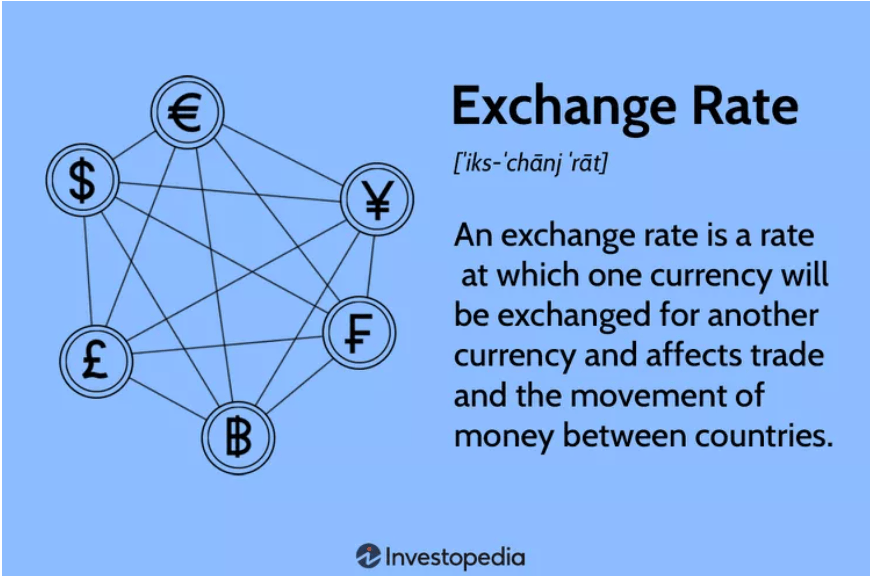
    In its simplest terms, a currency exchange rate is the price of one currency against another currency. When you see EUR/USD at 1.0850, it means one Euro is equivalent to $1.0850.

    These rates are way more than arbitrary digits – they directly impact your finances. Whether you’re sending money overseas to friends and family or using your credit card to transfer money abroad, these rates will dictate how much you’ll send or receive.

    Types of Exchange Rate Systems

    Today, most major currencies operate under a floating exchange rate system, where rates are determined by market supply and demand. However, some countries still maintain fixed or pegged rates for stability.

    Currency SystemExamplesRate Change Frequency
    FloatingUSD, EUR, GBP, JPYEvery couple of seconds
    Fixed/PeggedChinese Yuan (managed), UAE DirhamSeldom (only during scheduled revisions)
    Currency BoardHong Kong DollarRestricted movement within a tight range

    How Frequently Do Exchange Rates Change: The Truth

    What many people don’t realize is that major currency exchange rates change every couple of seconds during active trading hours. I’m not being dramatic – exchange rates are constantly updated due to millions of transactions in today’s digital world.

    However, the frequency depends on several factors:

    During Active Market Hours

    • Every 1-5 seconds for major pairs like EUR/USD, GBP/USD
    • Every 5-15 seconds for less liquid pairs
    • Microsecond-level changes on institutional trading platforms

    During Quiet Periods

    • Every few minutes during low-volume Asian sessions
    • Hourly or less on weekends (limited to Middle East markets)
    • Minimal activity during major holidays

    Real-time exchange rate tracking becomes most essential during periods of extreme turbulence. For example, during the 2020 pandemic onset, EUR/USD would change its third decimal point every couple of seconds for weeks on end.

    Understanding Exchange Rate Fluctuation Factors

    Why exchange rates change daily comes down to supply and demand, but the factors influencing demand are complex and multifaceted. Here are the major drivers:

    Economic Indicators That Move Markets

    Interest rate decisions create some of the most significant market movements. When major central banks announce rate changes, I’ve observed USD pairs move 100+ pips within minutes. Key triggers include:

    • Employment data releases (especially US Non-Farm Payrolls)
    • Inflation reports (Consumer Price Index, Producer Price Index)
    • GDP forecasts and revisions
    • Trade balance figures
    • Central bank meeting minutes
    Currency Fluctuation

    Source: fastercapital

    Political and Geopolitical Events

    Political uncertainty creates market volatility like nothing else. During Brexit negotiations, GBP/USD became extremely volatile, changing 200-300 pips daily. Economic events affecting rates include:

    • National elections and government policy changes
    • Trade war announcements
    • International sanctions
    • Natural disasters in major economies
    • Military tensions or conflicts

    Market Sentiment and Speculation

    Sometimes currencies move simply because traders think they should move. This psychological aspect makes predicting exchange rate trends challenging, even for seasoned professionals.

    The 24/7 Nature of Currency Markets

    Unlike stock markets, forex markets never truly close. They operate 24 hours a day, with one financial center winding down as another opens. Here’s how the global day unfolds:

    Market Session Overlap Times

    • Asian Session: 11 PM – 8 AM EST (moderate volatility)
    • European Session: 2 AM – 11 AM EST (high volatility)
    • North American Session: 8 AM – 5 PM EST (highest volatility)
    • Overlap Periods: Maximum volatility when sessions overlap

    I’ve observed the highest concentration of rate changes during the London-New York overlap (8 AM – 12 PM EST). Major pairs frequently show live exchange rate updates every few seconds during this 4-hour window.

    Technology’s Impact on Exchange Rate Change Frequency

    Modern technology has dramatically increased how often exchange rates change. High-frequency trading (HFT) algorithms can execute thousands of trades per second, creating constant micro-fluctuations.

    Algorithmic Trading Effects

    • Microsecond decision-making by computer programs
    • News-based automated trading reacting to headlines instantly
    • Arbitrage opportunities are eliminated within seconds
    • Flash crashes and rapid recoveries

    I recall the January 2015 “Swiss Franc Shock,” where EUR/CHF fell 30% in minutes due to algorithmic selling. This perfectly showcases how dramatically rates can change in our digital age.

    Comparing Exchange Rate Changes Across Currency Pairs

    Not all currency pairs exhibit the same volatility patterns. Based on my observations, here’s a detailed comparison:

    Major Currency Pairs Daily Volatility

    Currency PairAverage Daily Range (Pips)Peak Activity HoursTypical Changes/Hour
    EUR/USD60-80London-NY Overlap20-30
    GBP/USD100-140UK Data Releases25-40
    USD/JPY70-90Asian-European Transition15-25
    AUD/USD80-120Australian Data/China News20-35
    USD/CAD65-95Oil Price Movements18-28

    Exotic Currency Characteristics

    Exotic currencies (from emerging markets) change less frequently but often more dramatically:

    • Higher bid-ask spreads
    • Lower liquidity results in larger price jumps
    • More sensitive to local political events

    Weekend gaps are more common due to thin trading

    When Is the Best Time to Exchange Currency?

    After tracking patterns for years, I’ve identified several optimal timing strategies:

    For Travelers and Personal Use

    Avoid these times:

    • Friday afternoons (weekend premium kicks in)
    • Major holiday periods (reduced liquidity)
    • During major economic announcements (increased volatility)

    Consider these windows:

    • Mid-week (Tuesday-Thursday) often shows more stable rates
    • Early mornings in your time zone (before major news)
    • Outside overlap periods for less volatility

    The 30-Day Rule

    Based on statistical analysis, I recommend the 30-day averaging approach. Rather than trying to time the perfect moment, monitor rates for 30 days and exchange when rates fall within the favorable 25% of that range.

    Tools and Strategies for Tracking Rate Changes

    Essential Apps and Platforms

    • XE Currency for basic rate monitoring
    • OANDA for professional-grade charts
    • Bank mobile apps for real-time notifications
    • Google Finance for quick verifications

    Setting Up Effective Alerts

    I always recommend setting rate alerts at multiple levels:

    • Target rate (your ideal exchange level)
    • Warning level (when rates move against you significantly)
    • Stop-loss equivalent (maximum acceptable loss threshold)

    Real-World Impact of Frequent Rate Changes

    For International Money Transfers

    When you transfer money abroad, timing can save significant amounts. I’ve calculated that a 1% rate difference on a $10,000 transfer equals $100 – enough to cover transfer fees entirely.

    Case Study: Sarah’s Remittance Strategy Sarah sends $500 monthly to her family in the Philippines. By monitoring USD/PHP rates and timing her transfers during favorable periods, she saves approximately $200 annually compared to random timing.

    For Credit Card Users Abroad

    Your credit card to money transfer rates typically update daily, but they’re based on wholesale rates from 1-2 days prior. Understanding this lag can help you:

    • Time large purchases during favorable rate periods
    • Avoid unnecessary foreign transaction fees
    • Choose between cash and card based on current spreads

    Common Myths About Exchange Rate Changes

    Myth 1: “Rates only change during business hours.” Reality: Currency markets operate 24/7, with rates changing constantly.

    Myth 2: “Banks control exchange rates.” Reality: Banks are price-takers in the global forex market, not price-setters.


    Myth 3: “Weekend rates never move.” Reality: While less frequent, rates can change due to Middle Eastern markets and news events.

    Managing Currency Risk in a Fast-Changing World

    For Regular International Transfers

    If you regularly send money overseas, consider these strategies:

    • Dollar-cost averaging: Spread transfers across multiple dates
    • Forward contracts: Lock in rates for future transfers (available through some services)
    • Rate alerts: Never miss favorable exchange windows

    For Travelers

    • Multi-currency cards can help you load money at favorable rates
    • Local ATM strategy: Sometimes better than pre-exchanging cash
    • Small, frequent exchanges: Better than one large exchange in volatile periods

    The Future of Exchange Rate Frequency

    Looking ahead, several trends will likely increase the rate of change frequency:

    Central Bank Digital Currencies (CBDCs)

    As countries develop digital versions of their currencies, we might see:

    • Instant settlement reduces lag times
    • More transparent rate determination
    • Reduced intermediary markups

    Artificial Intelligence Integration

    AI-driven trading will likely:

    • Increase micro-volatility as algorithms react faster
    • Reduce major price gaps through better arbitrage
    • Create new patterns in rate behavior

    Conclusion

    Understanding how often exchange rates change empowers you to make better financial decisions. Whether you’re sending money home, planning a trip abroad, or just staying informed, remember that currency markets move constantly – but with the right knowledge and tools, you can navigate these changes to your advantage.

    The key isn’t trying to predict every movement, but rather understanding the patterns and having strategies ready when opportunities arise. Keep monitoring, stay informed, and most importantly, don’t let the complexity intimidate you from making smart currency decisions.

    Frequently Asked Questions

    How frequently do exchange rates change?

    Exchange rates for major currency pairs change every few seconds during active trading hours. During peak periods like the London-New York overlap (8 AM – 12 PM EST), rates can update multiple times per minute. However, during quiet periods or weekends, changes might occur only every few minutes or hours.

    What factors influence daily exchange rate shifts?

    Daily exchange rate movements are primarily driven by economic data releases, central bank announcements, political events, market sentiment, and trading volume. Interest rate decisions, employment reports, inflation data, and geopolitical developments often cause the most significant daily shifts.

    Can I lock in an exchange rate?

    Yes, you can lock in exchange rates through several methods. Many money transfer services offer rate locks for 24-72 hours. For larger amounts or regular transfers, forward contracts allow you to secure rates for weeks or months ahead. Some travel cards also let you pre-load currencies at current rates.

    Who sets the official exchange rates?

    No single entity “sets” exchange rates for major currencies. Rates are determined by supply and demand in the global forex market, where banks, corporations, governments, and individual traders participate. Central banks can influence rates through monetary policy, but they don’t directly set them.

    Are exchange rate changes predictable?

    While certain patterns exist (like increased volatility during economic announcements), precise exchange rate movements are largely unpredictable. Professional traders use technical and fundamental analysis to identify trends, but even experts cannot consistently predict short-term rate changes with high accuracy.

    Why do currency exchange rates fluctuate so much during certain hours?

    Exchange rates fluctuate most during market session overlaps, particularly the London-New York overlap (8 AM – 12 PM EST). This happens because more traders are active simultaneously, creating higher trading volume and more frequent price updates. Economic news releases during these hours amplify the volatility.

    How can I get the best exchange rate for my international transfer?

    To get better exchange rates, compare multiple providers, avoid currency exchange at airports or hotels, use specialized money transfer services instead of traditional banks, time your transfers during favorable rate periods, and consider using rate alert services to notify you of optimal exchange windows.

  • In the past 10-12 years, I have been observing the global currency market, and $7.5 trillion flows through these markets every day. While this number is mind-boggling, it’s even crazier that it surpasses the GDP of some countries. Coming back to currencies, however, I realized that most of my acquaintances know currency exchange only in the context of those booths located at airports that offer preposterous rates for cash required when going on holidays.

    Forex markets are becoming increasingly accessible, even for those who don’t consider themselves to be Wall Street traders. Whether you’re sending money to your family members abroad or planning a Euro trip, understanding online currency trading can help you save thousands.

    With years spent diving into the forex processes, I’ve created comprehensive guides on how to maximize your benefits when trading and made everything as intuitive and effortless as possible, starting from the definitions all the way to advanced trading strategies.

    Currency Exchange Principles: What You Need to Know

    Understanding the Currency Exchange Definition

    The act of converting one country’s currency into another country’s money at a specific rate is what we call currency exchange. The quote may seem simplistic, but lies beneath a deep and complex structure that helps determine whether you’ll end up paying a certain amount for a Euro or if the price will lean slightly above your expectations.

    My first trip to Japan was rather eye-opening. For convenience, I exchanged dollars at the airport and ended up losing 15% due to their abysmal exchange rates. I now understand the location’s crucial role in exchange rate calculation.

    The foreign currency trading market operates 24/7. London, New York, Tokyo, and Sydney are the key trading hubs. Unlike stock exchanges with opening bells, currency markets never sleep because banks are always trading somewhere in the world.

    How Forex Works: The Engine Behind Currency Exchange

    Currency pairs are crucial for understanding how forex works. You can’t just buy Euros – you’re trading EUR/USD, exchanging dollars for Euros at a set rate.

    Here are the major currency pairs that dominate global trading:

    • EUR/USD (Euro/US Dollar) – 28% of all trades
    • USD/JPY (US Dollar/Japanese Yen) – 13% of trades
    • GBP/USD (British Pound/US Dollar) – 11% of trades
    • USD/CHF (US Dollar/Swiss Franc) – 6% of trades

    The first currency (EUR in EUR/USD) is the base currency, while the second (USD) is the quote currency. If the EUR/USD pair shows 1.0850, you’ll pay $1.085 for one Euro.

    Interbank exchange rates serve as the foundation for all currency pricing. These are the rates that major financial institutions offer each other – essentially wholesale prices before markups reach consumers. When you see “real-time rates” on Google and other financial websites, they’re usually displaying these interbank rates.

    What Causes Changes to Exchange Rates

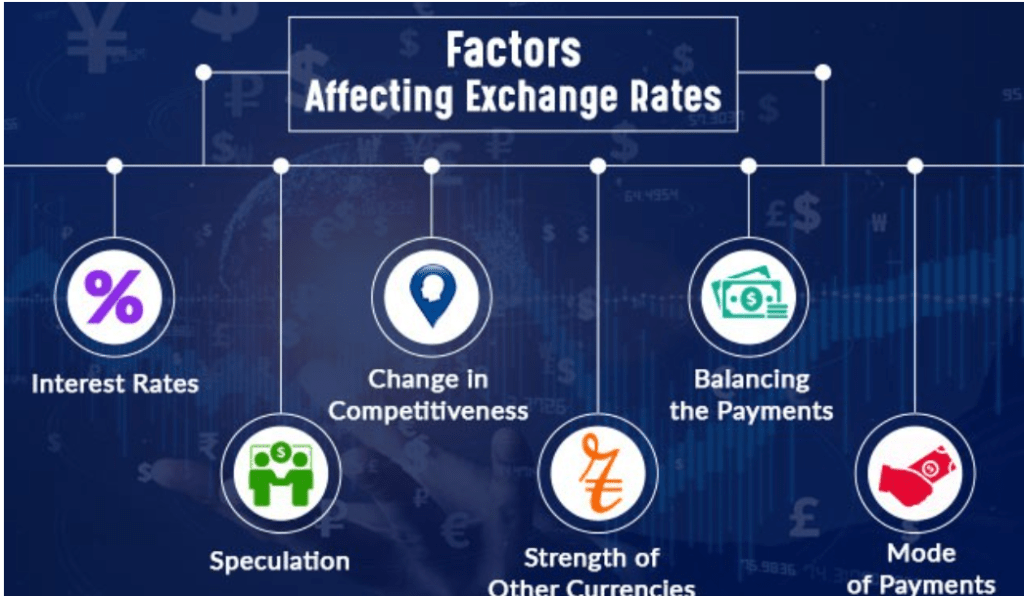
    There are several key factors that determine exchange rate fluctuations, based on my observations:

    Economic Indicators:

    • GDP growth rates
    • Inflation statistics
    • Employment statistics
    • Interest rate decisions

    Political Stability:

    • Election results
    • Policy changes
    • Geopolitical tensions
    • Trade agreements

    Market Sentiment:

    • Investor confidence
    • Risk appetite
    • Speculation and trading volume

    Central banks wield enormous influence through interest rate decisions and market interventions. When the Federal Reserve raises rates, it typically strengthens the dollar as investors seek higher yields.

    Exchange Rates

    Source: investopedia

    Your Currency Exchange Options: Finding the Best Place to Exchange Currency

    Traditional Banks vs Modern Alternatives

    Based on your requirements, finding the best place to exchange currency may differ, but I’ve thoroughly tested most methods available.

    Exchange MethodTypical MarkupSpeedBest ForHidden Fees
    Airport Kiosks8-15%InstantEmergencies onlyNone visible
    Local Banks3-7%1-2 daysLarge amountsWire transfer fees
    Online Platforms0.5-2%Same dayRegular transfersMinimal
    ATMs Abroad2-5%InstantTravel cashForeign transaction fees
    Specialty Services1-3%HoursBusiness needsDelivery charges

    Traditional banks provide security and familiarity, but their currency exchange fees often involve several hidden markups. For example, when I needed €5,000 for a property deposit, my local bank’s quote was $200 more than online alternatives.

    Online vs Offline Currency Exchange: The Modern Reality

    The online vs offline currency exchange debate isn’t even close anymore. Digital platforms consistently offer better rates, faster service, and transparent pricing.

    Online advantages:

    • Real-time rate comparisons – Review all options instantly
    • Lower overhead costs – Savings passed to customers
    • 24/7 availability – Exchange currency anytime
    • Digital receipts – Perfect transaction records
    • Rate alerts – Notifications when rates improve

    Offline benefits:

    • Face-to-face service – Personal interaction for complex needs
    • Cash pickup – Physical currency collection
    • Local presence – Branch visits for large transactions
    • Established trust – Decades of banking relationships

    However, I’ve found that even traditionally offline services now offer their best rates through digital channels. Banks save money on digital transactions and share those savings through better exchange rates.

    Money Transfer Services: Your Gateway to Better Rates

    Modern transfer money online services have revolutionized international payments. Companies like Wise, Remitly, and Western Union compete aggressively on both speed and pricing.

    Key considerations when choosing transfer services:

    1. Exchange rate markup – How much above interbank rates?
    2. Transfer fees – Fixed charges per transaction
    3. Speed options – Instant vs. economy transfers
    4. Recipient options – Bank deposit, cash pickup, mobile wallets
    5. Transfer limits – Daily, monthly, and annual caps

    I regularly use multiple services because each excels in different scenarios. For family remittances under $1,000, mobile-first apps offer the best combination of speed and cost. For larger business payments, established services provide better rates and customer support.

    Understanding Currency Exchange Costs: The Money Transfer Charges List

    Visible vs Hidden Currency Exchange Fees

    Most people focus only on obvious fees, missing the biggest cost: rate markup. Here’s my comprehensive money transfer charges list based on real transactions:

    Direct Fees:

    • Transfer fees – $0-50 depending on service and speed
    • Receiving fees – $10-25 at recipient banks
    • Cash pickup fees – $5-15 at money transfer locations
    • Card payment fees – 2-4% when funding with credit cards

    Hidden Costs:

    • Exchange rate markup – 1-8% above interbank rates
    • Correspondent bank fees – $15-30 for international wires
    • Foreign transaction fees – 2-3% on card purchases abroad
    • ATM operator fees – $3-8 per withdrawal overseas

    The rate markup typically costs more than all visible fees combined. On a $5,000 transfer, a 3% markup costs $150, often exceeding the stated transfer fee.

    Smart Strategies to Minimize Exchange Costs

    After years of international transactions, I’ve developed these travel money exchange tips that save substantial amounts:

    Timing Strategies:

    • Monitor rates for 2-3 weeks before large transfers
    • Set rate alerts at your target exchange rate
    • Avoid weekend and holiday periods when liquidity decreases
    • Transfer larger amounts less frequently to reduce per-transaction costs

    Service Selection:

    • Compare 3-4 providers for each significant transfer
    • Consider speed vs. cost trade-offs – economy transfers often offer better rates
    • Factor in recipient convenience – bank deposits vs. cash pickup
    • Check for promotional rates – new customer bonuses and limited-time offers

    Payment Method Optimization:

    • Bank transfers beat card payments for funding currency exchanges
    • Avoid credit card funding due to cash advance fees and interest
    • Use debit cards wisely – some charge foreign transaction fees even for domestic currency exchanges

    Advanced Currency Exchange Strategies

    For Regular International Transfers

    If you regularly transfer money online for family support, business payments, or property investments, establishing relationships with 2-3 reliable services provides flexibility and backup options.

    My recommended approach:

    1. Primary service – Best rates for your typical transfer amounts
    2. Speed service – Premium option for urgent transfers
    3. Backup service – Alternative when the primary service has issues

    Volume-based benefits often kick in at surprisingly low thresholds. Many services offer improved rates once you transfer $10,000+ annually, even across multiple smaller transactions.

    Business Currency Exchange Considerations

    Business foreign currency trading introduces additional complexity but also opportunities for better rates and terms.

    Key business advantages:

    • Negotiated rates – Volume discounts on regular transfers
    • Forward contracts – Lock in rates for future payments
    • Multi-currency accounts – Hold foreign currencies to time exchanges better
    • Dedicated support – Account managers for complex requirements

    Investment and Trading Opportunities

    For those interested in foreign currency trading as an investment strategy, the retail forex market offers 24/7 access to major currency pairs with significant leverage.

    Important considerations:

    • High risk – Currency trading can result in substantial losses
    • Leverage effects – Small price movements create large gains or losses
    • Education requirements – Successful trading demands extensive learning
    • Regulatory protection – Choose properly regulated brokers
    • Start small – Begin with demo accounts and minimal real

    Technology’s Impact on Currency Exchange

    Digital Innovation in Money Transfers

    The currency exchange process has transformed dramatically through technology adoption. Mobile apps now handle transactions that previously required bank visits, while blockchain technology promises even faster and cheaper international transfers.

    Current innovations:

    • Real-time notifications – Track transfer progress step-by-step
    • Biometric authentication – Fingerprint and face recognition for security
    • AI-powered fraud detection – Advanced security without friction
    • API integrations – Automated business payment processing

    Emerging technologies:

    • Stablecoin transfers – Cryptocurrency-based international payments
    • Central bank digital currencies (CBDCs) – Government-issued digital money
    • Cross-border payment networks – Direct bank-to-bank connections bypassing traditional correspondent banking

    Regulatory Evolution

    Currency exchange regulation continues evolving to balance consumer protection with innovation. Recent changes affect both service providers and users:

    Consumer protections:

    • Clearer fee disclosure – All-in pricing requirements
    • Faster dispute resolution – Streamlined complaint processes
    • Enhanced security standards – Stronger authentication and fraud prevention
    • Compensation schemes – Protection if licensed providers fail

    Planning Your Currency Exchange Strategy

    For Travelers: Travel Money Exchange Tips

    Smart travelers plan their currency needs well before departure. Last-minute airport exchanges often cost 10-15% more than advance planning.

    Pre-travel preparation:

    1. Research destination currency – Understand local payment preferences
    2. Notify your bank – Prevent fraud blocks on overseas card use
    3. Compare exchange options – Online services vs. local banks vs. destination ATMs
    4. Consider timing – Exchange rates fluctuate daily
    5. Plan for emergencies – Small cash reserves in the destination currency

    Destination strategies:

    • Use ATMs strategically – Choose bank-owned machines over independent operators
    • Minimize cash exchanges – Cards often offer better rates than currency booths
    • Keep receipts – Essential for expense tracking and potential disputes
    • Monitor exchange rates – Apps provide real-time rate tracking

    For Regular Remittances

    Families supporting relatives overseas benefit enormously from optimizing their currency exchange process. Small improvements in rates and fees compound significantly over time.

    Monthly remittance optimization:

    • Establish transfer patterns – Regular timing often qualifies for better rates
    • Bundle smaller amounts – Monthly transfers usually cost less than weekly ones
    • Use recipient preferences – Bank deposits vs. cash pickup vs. mobile wallets
    • Monitor competitive rates – Switch services when better options emerge

    Conclusion

    Understanding currency exchange transforms expensive transactions into smart financial decisions. Compare providers, avoid airport kiosks, embrace online platforms, and monitor rates consistently. These strategies will save you hundreds annually while making international money transfers seamless and stress-free.

    Frequently Asked Questions

    What is currency exchange?

    Currency exchange is the process of converting one country’s money into another country’s currency at a specific exchange rate. It’s essential for international travel, business transactions, and global money transfers. The currency exchange definition encompasses both physical cash exchanges and digital international transfers.

    How are exchange rates determined?

    Exchange rates fluctuate based on supply and demand in global currency markets. Key factors include economic indicators (GDP, inflation, employment), interest rates set by central banks, political stability, and market sentiment. Interbank exchange rates form the baseline, with consumer rates including markup fees.

    What fees are charged during currency exchange?

    Currency exchange fees typically include transfer fees ($0-50), exchange rate markup (1-8% above interbank rates), receiving fees ($10-25), and potential payment method fees (2-4% for credit cards). The rate markup usually represents the largest cost, often exceeding all visible fees combined.

    Where can I get the best currency exchange rates?

    The best place to exchange currency depends on your needs, but online money transfer services typically offer the most competitive rates. Compare specialized providers like Wise, Remitly, and traditional banks. Avoid airport kiosks except for emergencies, as they charge the highest markups (8-15%).

    How often do exchange rates change?

    Exchange rates change continuously during market hours, with updates occurring every few seconds in active trading. However, consumer rates from banks and money transfer services typically update several times daily. Interbank exchange rates provide the most current pricing, while retail rates include provider markup and may update less frequently.

    Should I exchange money online or offline?

    Online vs offline currency exchange heavily favors digital platforms for most transactions. Online services offer better rates, transparent pricing, 24/7 availability, and faster processing. Offline options work better for large cash needs, complex business requirements, or when recipients prefer cash pickup services.

    How can I minimize currency exchange costs?

    To reduce currency exchange fees, compare multiple providers, time transfers when rates are favorable, use bank transfers instead of cards for funding, and consolidate smaller transfers into larger ones. Set rate alerts for your target exchange rate and avoid weekend/holiday periods when possible.

    What’s the difference between buying currency and transferring money internationally?

    Currency purchase involves exchanging cash or getting foreign currency for travel, while international money transfers send funds directly to overseas bank accounts, mobile wallets, or cash pickup locations. Money transfers typically offer better rates and more options than physical currency exchange.

    Are online money transfer services safe?

    Regulated online services often provide better security than traditional methods, with multi-factor authentication, encryption, and regulatory oversight. Choose services licensed by relevant financial authorities and check customer reviews. Most reputable providers offer fraud protection and transaction guarantees.

    How do I calculate the true cost of currency exchange?

    To perform accurate exchange rate calculation, compare the offered rate to current interbank rates, add all fees (transfer, receiving, payment method), and calculate the total cost percentage. The formula is: ((Total paid – Amount received in local currency equivalent) ÷ Amount sent) × 100 = True cost percentage.

  • Introduction

    Let’s say you’re preparing for a vacation to Europe and you’re monitoring the exchange rates. Last week, you would have received €920 for your $1,000. Today, however, you are only offered €880. What changed overnight?

    Currency exchange impacts billions of people daily, but few understand the nuances involved. Using bank transfer services to send money home can be more expensive than leveraging services like Fairexpay. Understanding these platforms can save you hundreds of dollars each year. Many people ask, “What does currency fluctuation mean?” – It’s essentially the constant change in value between different countries’ currencies.

    After analyzing forex markets for years, I can share insights on why currencies appear to be on an eternal roller coaster. Let’s uncover the world of exchange rate fluctuations.

    What are Currency Fluctuations?

    Currency value fluctuations are the constant change in value of different countries’ currencies, and it feels like a global competition in which dollars, euros, yen, and pounds are bought and sold every microsecond.

    Currency Fluctuations

    Source: linkedin

    Real-Life Implications

    What are the real-life implications of currency fluctuations? For one reason, your international money transfer fees vary every single day. Whether using traditional bank-to-bank money transfer services or modern alternatives, rates affect your costs daily. Similar to my experience, when I attempted sending USD 500 to my Canadian sister last month, the rate was $500 to CAD 675, and by Friday, it decreased to CAD 665. Those are real-world sudden currency fluctuations.

    Exchange rates work as any market, each with its core principles. Why do currencies change value? Similar to that of your favorite coffee shop, their prices increase because of competition: supply, demand, and derive. If more individuals want US dollars, then the price becomes higher. The opposite goes for British pounds as not as many people want them, so the price falls.

    Daily Currency Market Activity

    The following reveals the processes involved in a typical day on the currency market:

    • 6 AM GMT: The Asian yen and yuan open active trading
    • 8 AM GMT: Activity spikes for euro and pound as Europe joins the fray
    • 1 PM GMT: The dollar takes preeminence over trading as US markets open
    • 10 PM GMT: Trading pauses, and gaps may form during the downtime

    Why Currency Prices Can’t Stay Constant

    Unlike the price of your morning coffee, currencies cannot stay frozen. Why does one currency fluctuate in value relative to the other? The question “why do foreign currency fluctuate?” has hundreds of interconnected answers working simultaneously. Because there are hundreds of reasons working at the same time. Globally, central banks make policies. Economic data gets published. Politically, events unfold. Something is always happening while you sleep.

    I vividly recall checking my currency app during the Brexit vote in 2016. Within hours, the British pound dropped 10%. That’s modern currency markets for you, they never sleep, and never stay still.

    The 8 Primary Factors That Make Currencies Move

    Responding to the fundamental questions on what makes the currency value change requires analyzing the critical components of its movement. Understanding “why do currency rates fluctuate” requires analyzing the critical components of their movement. From my research, I found eight factors that continually affect the exchange rates..

    1. Economic Indicators and Their Impact

    The release of economic data is akin to giving report cards to entire nations. Why does the foreign exchange market respond to employment figures? Because they are a marker of economic health. Strong employment numbers translate to robust economic activity, which increases demand for the currency.

    Some of the most important include:

    • GDP Growth Rate: Indicates economic expansion
    • Unemployment Rate: Tells of labor market activity
    • Manufacturing PMI: Gauges industrial production
    • Retail Sales: Acts as an indicator of consumer spending

    The US jobs report from last month came in at 250,000 new jobs versus 180,000 expected. The dollar strengthened immediately as positive economic news drove up demand.

    2. Interest Rate Changes – The Stealthy Market Movers

    Without a doubt, changes to interest rates can have the single most significant impact on costs when controlled. Foreign investment increases significantly after the domestic higher price investment return, thus strengthening the currency. When interest rates are raised by a country, its currency most of the time will increase in value due to more foreign capital for investment.

    Consider this example. If US rates are at 5% while European rates stand at 2%, investors would of course stand to gain from putting their investment in a higher-return currency. This would lead to an increase in demand for dollar value, thus increasing its price against the euro.

    The decisions made by the Federal Reserve are felt within seconds in all markets around the world. In the same way I do, I have also witnessed currencies moving by as much as 2-3% within minutes of such announcements from the Fed. They are and always will be instantaneous.

    3. Political Stability and Governmental Actions

    Political volatility is among the leading causes of change in a currency’s worth. What happens to currencies during the elections? For one, the markets do not appreciate volatility. Investors tend to back quiet authoritarian states as they are more favorable compared to democracies that constantly change their policies.

    The case of Brexit exemplifies this. Between the 2016 referendum announcement and the final deal in 2020, the pound experienced unprecedented volatility. Every political tweet, every parliament vote, every single update to the negotiations triggered the currency graphs to spike.

    4. Global Trade and The Balance of Trade

    Countries that have a higher balance of exports over imports tend to have a stronger currency over time. What happens when the exchange rate increases for those countries with higher exports as compared to imports? It leads to decreased demand for exports as their commodities become expensive. It is in equilibrium in nature.

    Germany’s surplus aid towards the euro thereby strengthens it, in contrast to nations marked by deficits, which tend to weaken their currency. This is basic economics based on the balance between global supply and demand.

    Economic Events and Currency Fluctuations

    GDP Growth Rate and Currency Value Correlation

    The growth of GDP paints a clear picture of the economy’s health. Foreign investments and demand for domestic currency increase. It also causes a better-than-expected value for currencies like the Yen, which strengthens against most major currencies within hours of the announcement.

    The correlation patterns:

    • GDP > Expectations: Currency strengthens
    • GDP < Expectations: Currency weakens
    • GDP = Expectations: No immediate impact

    Employment Statistics Impact on Exchange Rates

    Employment data shows market spending capabilities that affect currencies. High employment means an economy on the rise, with consumers ready to spend money. The US Non-Farm Payrolls Report has a considerable effect on the market monthly.

    Key indicators to track:

    • Unemployment Rate: The economy’s steering rate
    • Job Creation Numbers: Growth success rate
    • Wage Growth: Spending and inflation gauge
    • Labor Force Participation Rate: Involvement in the economy


    Interest Rates: Silent Power Behind the Currents

    Interest points add substantial capital to investments of different countries, creating a colossal shift in currencies. The reason for this is termed as “carry trade” phenomenon.

    Interest points add substantial capital to investments of different countries, creating a colossal shift in currencies. The reason for this is termed as “carry trade” phenomenon.

    Federal Reserve Decisions and Global Ripple Effects

    Whenever the dollar rate increases, it affects every currency in the world. Another market factor is the dollar becoming more attractive, which attracts investments heavily in dollar-based investments.

    I observed this phenomenon during the 2022 aggressive Fed tightening cycle. As investors sought US assets, the dollar strengthened dramatically against almost all major currencies. Countries such as Turkey and Argentina experienced significant capital currency weakness as a result of investment flow shifting into US markets.

    Central Bank Communications Move Markets

    In modern times, central banking is more about communicating policies rather than formulating them. Jerome Powell, the Fed chair, burns more markets with his speeches than with policies. Every single word of his is analyzed as the market tries to guess where rates will be in the future.

    This is the Eurozone that taught the ECB a painful lesson when vague policies about intent caused unwanted euro volatility. President Draghi had to go through multiple market tantrums as they fixed euro inflation after 0. Consistent, important messaging always forms the base of impactful monetary policies.

    Political Events That Trigger Major Currency Fluctuations

    Political events can single-handedly cause bold movements in the exchange rate. Unlike economic data, political events are largely chaotic, devoid of pattern, which makes them especially perilous for currency-pegged nations.

    Elections and Policy Uncertainty

    Presidential elections result in extended periods of currency volatility and uncertainty. The 2020 US election caused unusual dollar movements as markets attempted to price in various scenarios from different policy approaches in tax changes, regulatory reform, and stimulus spending.

    I remember how in 2016, the world was caught off guard by Trump’s victory. As soon as the announcement came through, the Mexican peso fell. This was undoubtedly a reaction due to the worries revolving around the border wall and the costs of NAFTA renegotiation. It’s safe to say that politics has a direct impact on the economy.

    Trade Wars and Tariffs

    The United States and China Trade War fought from 2018 to 2020 serves as a prime example of how quickly political relations can alter economic value. Each announcement regarding a new negotiation, merger, or diplomatic meeting drastically impacted both the dollar and the yuan.

    We all know how powerful an influencer a president can be to the economy. The same concept applies here. Presidential tweets regarding trade deals would directly impact the currency market. This undoubtedly sped up the world of information exchange beyond our imagination.

    Human Behavior and Economic Markets

    Economic trade goes beyond the logical reasons as to why things take place. The sheer reason as to why traders choose to trade one currency over another depends on human behavior. Elements such as greed or fear that can push a currency value higher or lower than its actual worth exist in the Forex industry.

    Fear and Greed in Forex Markets

    Forex trading has seen a major shift during crisis periods. For instance, the current pandemic irony highlights the impact of fear. The stock market began seeing only ‘safe’ currencies, such as the US Dollar, Swiss Franc, or Japanese Yen, and consistently fleeing them. This conflict didn’t create a currency collapse, but placed heavy tensions until there was a resolution.

    Many foreign exchange market traders practice technical analysis, generating a self-fulfilling prophecy. When a sufficient number of traders anticipate specific price levels, their actions as a group push the price of the currency to those levels.

    Key trading decision patterns:

    • Support and Resistance Levels: Price marks that currencies repeatedly bounce off
    • Off-Trend Lines: Medium-term movement direction indicators
    • Moving Averages: Trends in price over certain periods are smoothed out
    • Momentum Indicators: The strength of price movements

    Impact Comparison of Currency Fluctuation Chart

    Impact FactorImpact LevelTime FramePredictabilityReal World Example
    Changes to Interest RatesVery HighHours-DaysMediumFed Rate Hikes 2022
    Political EventsHighMinutes-MonthsLowBrexit Announcement
    Economic DataMedium-HighHours-DaysHighUS Jobs Report
    Central Bank ActionsExtremeMinutes-HoursVery LowSwiss Franc Cap 2015
    Trade War NewsHighHours-DaysLowUS-China Tariffs
    Natural DisastersMediumDays-WeeksNoneJapan Earthquake 2011
    Market SpeculationVariableMinutes-MonthsVery LowSoros vs GBP 1992
    Inflation ReportsMediumHours-DaysHighMonthly CPI Data

    By analyzing the factors within the table, one can observe that changes to currency value have varying degrees of intensity and timing. Having knowledge about these phenomena aids in anticipating potential reactions to the market.

    The 2008 Financial Crisis – Chaotic Currency Movement

    Everybody faced financial difficulties during the chaotic time in 2008, and there was a lot of currency price fluctuation. A lot of people avoided the USD when the mortgage markets collapsed, which worked against the logic of a majority of people.

    Key lessons from 2008:

    • Demand shifts can create an imbalance, regardless of the fundamentals
    • No two markets are impacted in the same way by financial crises
    • Focused intervention can resolve some issues resulting from conflicting monetary policies
    • The ripple effect connects all economies, creating tighter bonds of volatility among currencies

    Turkish Lira Exchange Rate Collapse

    The exchange rate collapse of the Turkish lira has critical policy implications. Too much inflation, international pressures, alongside central bank decisions create massive impacts.

    Between 2018 and 2022, the lira lost more than 80% of its value, illustrating how rapidly confidence can be lost. This is a key example demonstrating the usefulness of central bank independence in conjunction with sound economic policies for a country’s currency stability.

    Managing Currency Risk by Industry Class

    International Business Corporations and Hedging Techniques

    Advanced techniques are used by big firms to deal with currency hazards. To hedge against potential foreign currency losses, Apple Inc. protects its profits through hedging strategies.

    Common corporate hedging methods:

    • Forward Contracts: Lock in future exchange rates
    • Currency Options: Grant protection with potential for gain
    • Natural Hedging: Matching currency-denominated revenues and costs
    • Operational Hedging: Changing business structure according to currency value shifts

    Small Business Import/Export Obstacles

    Due to a lack of resources, small businesses become easy targets for currency value changes. Small importers, for example, seem to suffer most when the costs to do business suddenly soar because of unfavorable exchange rates.

    Practical approaches for small businesses:

    • Utilize forward contracts for major, consistent transactions
    • Integrate currency buffers into the pricing model
    • Explore multi-currency accounts for frequent transactions
    • Observe economic calendars for potential high-risk periods

    Protection Strategies For Currency Fluctuation

    Practical Uses of Forward Contracts

    Forward contracts allow you to set an exchange rate for a particular date. For instance, if you intend to make an international transfer in six months, then a forward contract will safeguard you from unfavorable rate shifts.

    Forward contracts allow you to set an exchange rate for a particular date. For instance, if you intend to make an international transfer in six months, then a forward contract will safeguard you from unfavorable rate shifts.

    I purchased a property overseas, which came with a three-month closing period. I executed a forward contract to eliminate any currency risk, allowing me to easily budget and freeing my mind.

    Who Should Be Worried About Currency Movements

    Not every alteration in currency value deserves a reaction. 1% to 2% movements on a day-to-day basis are smooth and predictable. Though a shift beyond 5% arrests attention, particularly sustained trends.

    Be Concerned With:

    • Moving in one direction repeatedly, week over week
    • Volatility surpassing historical benchmarks by a wide margin
    • Sustained declines in economic activity coupled with political instability measures
    • Political risk, on the other hand, is increasing at a steady rate

    Do Not Be Concerned With:

    • Routine daily changes under 2 percent
    • Moves resulting from news that are reversed within a short time frame
    • Changes that occur regularly each year at the same time
    • Small changes in important economic data

    The Impact of Digital Currencies on Forex

    Cryptocurrencies and Digital Currencies (CBDCs) issued by central banks will alter how currencies oscillate. The volatility of Bitcoin as compared to fiat currencies is significant, although in the future, CBDCs may offer lower volatility options for cross-border transactions.

    China’s pilot digital yuan projects may indicate CBDCs’ potential to reduce the reliance on traditional banking for cross-border payments, which may impact Fairexpay money transfer services and traditional interbank money transfer services.

    Long-Term Forecasts for Currencies

    Climate change is expected to affect currencies more and more over time. Countries that invest in renewable energy will likely strengthen their currencies, while those that rely on exporting fossil fuels will weaken their currencies over the long term.

    This represents a new fundamental factor for decades. Currency investors integrated climate risks into projections well ahead of the curve.

    Conclusion

    Knowing how and why currencies change helps make informed financial choices, be it for international travel, sending money, or investing globally. While every movement may not be predictable, understanding the rhythms and the intricacies that bring about changes in currency value gives you the confidence to maneuver through this world, which is both complicated and interesting.

    It goes without saying that fluctuation in currencies is an inevitable reality in the world we live in. Instead of being a source of panic, these should be viewed as opportunities in personal financial blueprinting as well as in global dealings.

    Frequently Asked Questions

    What are some reasons why we witness a change in currency value?


    Currency value is a function of many elements working together, like the difference in interest rates, the growth rate of the economy, the country’s politics, the level of trade balance, and the prevailing sentiments in the market. Each of these is driven by supply and demand and is influenced by millions of people trading currencies based on future expectations.


    In what ways does supply and demand impact variations in a currency’s worth?


    Every currency movement can be traced back to the principal conflict of Supply and Demand. A currency’s worth will increase provided its demand is higher than its supply, owing to people eager to purchase it. This increased demand can stem from the tourism sector, international trade, investment inflow, or speculative offers. Whenever demand for a currency is decreased, such as when there is an excess supply, its value depreciates. Currency availability can be altered by central banks through fiscal policies and economic demand.


    Why do political events shift the focus of currency exchange?


    Political events stir up confusion, and confusion is the last thing that markets want. Elections, changes in policies, trading controversies, and geopolitical tensions all impact the confidence investors have in a country’s economy. Stable governments adopt predictable policies and thus attract foreign investment, which strengthens their currencies. Capital conflation results in political instability, which drives the currency to weaken as investors seek safer options.


    How do interest rates affect the value of a currency?


    Currency value is affected by the flow of capital, and interest rates affect the capital flow. High interest rates tend to draw foreign investment seeking increased returns and bolster demand for the currency. Strengthening its rate. Lower rates turn the tide and improve capital flow toward countries with lower interest yields. This explains why the decisions made by the central bank are immediately reacted to in the currency market.


    What are the reasons for daily currency fluctuation example?


    The constant and continuous access to new streams of information is why currency fluctuation occurs every day. Release of economic data, timely political shifts, communication from the bank and markets, and a change in sentiment. Different time zones also contribute, where as one time market closes, the next one opens, thus creating a nonstop chain of trading to discover new prices.


    Which currencies experience the most volatility?


    Emerging market currencies generally show greater fluctuation than currencies from major developed economies. The Turkish lira, Argentine peso, and South African rand often exhibit more volatility relative to the US dollar, euro, or Swiss franc. Also, commodity-linked currencies such as the Canadian and Australian dollars are more volatile because of their responsiveness to fluctuations in commodity prices.


    Is it possible to curb foreign exchange volatility?


    In a system characterized by flexible exchange rates, currency fluctuations cannot be eliminated fully, but they can be controlled. Some economies use currency pegs and managed floats, while others employ capital controls to dampen volatility. Other managed floats lead to significant economic distortions, and most attempts to reduce volatility tend to fail over time, as demonstrated by various currency crises throughout history.

  • Transferring Money from Credit to Bank Account: 5 Ways That Work (2025 Update)

    Ever wish to have cash in your bank account, but the only available option is credit? You’re not alone. Managing the transfer of funds from credit cards to bank accounts can be complex, with various fees and interest rates to consider.

    This comprehensive guide covers every viable method for transferring credit card funds to your bank account, including hidden fees and cost comparisons.

    Transferring Money from Credit to Bank Account

    Source: cardinsider

    Understanding Credit Card to Bank Transfers


    Before exploring transfer methods, it’s important to understand what “moving money from a credit card to a bank account” actually means.

    Key Points:

    Credit cards don’t contain traditional “funds” – you’re borrowing against your credit limit
    Most transfers are classified as cash advances, which accrue interest immediately
    Unlike regular purchases, there’s no grace period for cash advances
    Interest starts accumulating from day one


    Common Reasons for Credit Card Transfers


    People typically need these transfers for:

    Emergency Expenses

    • Medical bills requiring immediate payment
    • Urgent home repairs
    • Last-minute travel expenses
    • Vendors who only accept cash or debit

    Debt Consolidation

    • Paying off high-interest debts
    • Taking advantage of promotional balance transfer rates
    • Simplifying multiple payments

    Business Needs

    • Paying vendors who don’t accept credit cards
    • Managing cash flow for small businesses
    • Covering operational expenses

    Important: Always explore other options first, as credit card transfers typically involve high fees and interest rates.


    Method 1: Cash Advances – The Direct Approach


    Credit card transfer fees:

    Cash advances remain the most straightforward way to get credit card money into your bank account.


    How Cash Advances Work


    ATM Transactions

    • Use your credit card at any ATM
    • Select the “cash advance” option
    • Daily limits typically range from $300-$1,000

    Bank Counter Transactions

    • Visit any bank that accepts your card network (Visa, Mastercard, etc.)
    • Present ID and credit card
    • Request a cash advance up to your full limit

    Online Cash Advances

    • Some issuers offer online cash advance options
    • Funds can be transferred directly to linked bank accounts
    • Not available with all credit card companies’ credit cards


    Cash Advance Costs


    Upfront Fees: 3-5% of advance amount (minimum $5-$10) Interest Rates: Typically 24-29% APR (higher than purchase APR) No Grace Period: Interest starts immediately


    Cost Example Table

    AmountCash Advance Fee (4%)Interest (26% APR)30-Day Cost90-Day Cost
    $500$20$10.83$30.83$52.50
    $1,000$40$21.67$61.67$105.00
    $2,000$80$43.33$123.33$210.00

    Cash Advance Limits


    Your cash advance limit is typically 20-50% of your total credit limit. For example:

    • $5,000 credit limit = $1,000-$2,500 cash advance limit

    Check your limits through your online account or by calling customer service before attempting any transfers.


    Method 2: Balance Transfer Checks – The Promotional Route


    Balance transfer checks offer an indirect but potentially cheaper method for transferring funds.


    How Balance Transfer Checks Work

    • Credit card companies issue these checks to qualified customers
    • Checks drawn against your balance transfer limit (not cash advance limit)
    • You can write checks to yourself and deposit them
    • Warning: Some companies prohibit writing checks to yourself – always check the terms


    Promotional Advantages


    Balance transfer promotions often offer:

    • 0% APR for 12-21 months
    • Low promotional rates (3.99% APR for 18 months)
    • Significantly better rates than cash advances


    Cost Comparison: $2,000 Transfer


    Money transfer rate list:

    MethodUpfront Fee12-Month InterestTotal Cost
    Cash Advance (26% APR)$80$520$600
    Balance Transfer (0% promo)$80$0$80
    Balance Transfer (3.99% APR)$80$79.80$159.80

    Important: Promotional rates eventually expire and jump to standard rates (15-25% APR).


    Method 3: Third-Party Money Transfer Services


    Digital platforms have expanded options for credit card funding, though fees apply.


    PayPal Transfers


    Fees: 2.9% + $0.30 per transaction. Process: Fund PayPal balance with a credit card, then transfer to the bank. Limits: $10,000 daily, $60,000 monthly Transfer Time: 1-3 business days (instant transfers available for a 1.75% fee)


    Venmo and Cash App


    Venmo:

    • 3% fee on credit card funding
    • Daily limit: $2,999.99
    • Monthly limit: $6,999.99
    • Instant transfer: $1.75 fee

    Cash App:

    • 3% fee on credit card funding
    • Weekly sending limit: $7,000
    • Monthly receiving limit: $1,000 (unverified accounts)


    Platform Comparison

    ServiceCredit Card FeeTransfer TimeDaily LimitMonthly LimitBest For
    PayPal2.9% + $0.301-3 days$10,000$60,000Large amounts
    Venmo3%Instant-3 days$2,999.99$6,999.99Social payments
    Cash App3%1-3 days$7,000/weekVariesQuick transfers
    ZelleNot supportedN/AN/AN/ABank-to-bank only

    Important Note: Most platforms classify credit card funding as cash advances, triggering higher interest rates.

    Method 4: Prepaid Cards and Money Orders


    These methods are more complex but can sometimes reduce overall costs.


    Prepaid Card Strategy


    Process:

    1. Purchase reloadable prepaid cards with a credit card
    2. Load additional funds at retail locations
    3. Transfer funds to a bank account via online methods or ATMs

    Costs: $3.95-$6.95 activation fees per card. Risks: Some credit card companies now code gift card purchases as cash advances


    Money Order Method


    Process:

    1. Purchase money orders with a credit card
    2. Deposit money orders into a bank account

    Costs: $1-$5 per money order plus credit card fees. Limits: Usually $1,000 per money order. Advantage: May avoid cash advance classification (varies by issuer)


    Understanding Total Costs: Real Examples


    Hidden Fees to Watch For

    • ATM fees: Additional $2-$5 for out-of-network ATMs
    • Foreign transaction fees: 1-3% for international services
    • Instant transfer fees: $0.25-$25 depending on service


    Total Cost Analysis: $1,000 Transfer

    MethodUpfront FeeMonthly InterestTotal (30 days)
    Cash Advance$40$21.67$61.67
    Balance Transfer (0% promo)$40$0$40.00
    PayPal$29.30$21.67$50.97
    Venmo/Cash App$30$21.67$51.67
    Money Order$5$21.67$26.67


    Key Takeaway: Balance transfer promotions are most cost-effective, followed by money orders for short-term borrowing.


    Legal and Safety Considerations


    Credit Card Terms of Service

    • Read cardholder agreements carefully
    • Some issuers restrict balance transfer check usage
    • Violations can result in account closure or loss of promotional rates
    • Contact your card company before large transfers


    Security and Fraud Concerns

    • Established services like PayPal offer better fraud protection
    • Enable two-factor authentication
    • Monitor statements regularly
    • Credit card protections may be limited for transfer disputes


    Smart Alternatives to Consider


    Personal Loans vs. Credit Card Transfer Fees


    Personal loans often offer:

    • Lower interest rates (6-36% APR vs. 24-29% for cash advances)
    • Fixed payment schedules
    • Funds available in 1-3 business days


    Building Emergency Funds


    Proactive Approach:

    • Set up automatic savings transfers
    • Aim for $25/week = $1,300/year emergency buffer
    • Use high-yield savings accounts (4-5% APY)


    Action Plan: Step-by-Step Process


    Pre-Transfer Preparation


    Transfer money credit to debit card steps:

    1. Check Limits: Verify cash advance and transfer limits
    2. Review Terms: Understand all fees and restrictions
    3. Calculate Costs: Include all fees, interest, and opportunity costs
    4. Plan Repayment: Develop a strategy to minimize interest charges


    Best Practices During Transfer

    • Monitor for processing delays
    • Begin repayment immediately
    • Keep all confirmation numbers and receipts
    • Contact customer service if discrepancies arise


    Post-Transfer Management

    • Track total debt incurred
    • Monitor the credit utilization impact
    • Make payments on time to avoid penalties
    • Focus on paying off high-interest debt first


    India-Specific Considerations


    For Indian readers, regulations differ significantly:

    Money transfer in India:


    RBI Guidelines:

    • Cash advances are typically capped at 20% of the credit limit
    • Fees range from 2.5-3.5% of the transfer amount
    • Restrictions on certain international transfers

    Popular Wallets:

    Paytm, PhonePe, and Google Pay don’t allow direct credit card to bank transfers

    • Must use intermediary wallet funding, followed by bank transfers
    • Transfer fees vary and change frequently due to RBI policies


    Real-World Case Studies


    Case Study 1: Medical Emergency Success


    Situation: Priya needed ₹50,000 for emergency surgery, had only ₹10,000 in savings. Solution: Used balance transfer promotion for ₹40,000. Cost: 3% transfer fee (₹1,200).

    Result: Saved ₹9,200 compared to cash advances over one year


    Case Study 2: Cash Flow Mismanagement


    Situation: Raj needed ₹25,000 for contractors who didn’t accept cards. Solution: Used cash advances across multiple cards. Outcome: Paid ₹8,750 in fees and interest vs. ₹4,200 for a personal loan. Lesson: Research alternatives before using expensive transfer methods


    Future Trends


    The landscape is rapidly evolving:

    • Digital Integration: Major banks are integrating with digital wallets
    • Regulatory Changes: Enhanced consumer protection and disclosure requirements
    • Blockchain Technology: Potential for lower-cost transfer solutions
    • Central Bank Digital Currencies: May revolutionize money movement


    The Bottom Line


    Credit card to bank transfers should be a last resort due to high costs (3-8% upfront fees plus high interest rates). Better alternatives include:

    • Emergency funds for unexpected expenses
    • Personal loans for planned financing needs
    • Alternative payment methods for specific vendors

    If you must transfer:

    • Best for emergencies: Cash advances (with quick repayment)
    • Best for larger amounts: Balance transfer promotions
    • Best for small amounts: Money orders (if not coded as cash advances)
    • Most convenient: Digital platforms (higher fees but user-friendly)

    Golden Rule: Always have a definite repayment plan before initiating any transfer. Never create long-term debt to solve short-term cash flow issues.

    Conclusion


    Credit card to bank transfers are expensive last-resort options with 3-8% fees plus high interest rates. Prioritize building emergency funds and exploring personal loans first. If transfers are unavoidable, choose balance transfer promotions for large amounts and plan immediate repayment to minimize costly interest charges.

    Frequently Asked Questions


    Can I transfer money from my credit card to my bank account?


    Yes, you can transfer funds using methods like cash advances, balance transfer checks, and third-party payment apps. However, these transfers typically incur 3-5% fees and high interest rates that begin accruing immediately.


    What are the fees for credit card to bank transfers?


    Fees vary by method:

    • Cash Advances: 3-5% fee + 24-29% APR (no grace period)
    • Balance Transfers: 3-5% fee + promotional or standard balance transfer APR
    • Digital Platforms: 2.9-3% fee + cash advance rates on credit card
    • Money Orders: $1-5 fee + potential cash advance rates


    Which apps allow credit card to bank account transfers?


    Several services support credit card funding:

    • PayPal: 2.9% + $0.30 fee, $10,000 daily limit
    • Venmo: 3% fee, $2,999.99 daily limit
    • Cash App: 3% fee, $7,000 weekly limit
    • Western Union: 3-5% fee depending on location

    Note: Most platforms treat credit card funding as cash advances on your statement.


    Are there limits on how much I can transfer?


    Yes, limits vary by method:

    • Cash advance limits: Typically, 20-50% of the total credit limit
    • Digital platform limits: $1,000-$10,000 daily
    • Balance transfer limits: Usually equal to the available credit limit
    • Money order limits: Generally $1,000 per money order

    Always check your specific cash advance limit before attempting transfers.


    Is it safe to transfer money from a credit card to a bank account?


    Credit card transfers carry several risks:

    • Financial risk: High fees and interest rates can create debt spirals
    • Security risk: Some platforms offer less fraud protection than direct credit card transactions
    • Account risk: Violating terms can lead to account closure
    • Credit risk: High utilization can damage your credit score

    To minimize risks: use established platforms, enable security features, and have a clear repayment plan.


    How quickly can I get credit card money into my bank account?


    Transfer speeds vary by method:

    • ATM Cash Advances: Immediate access to cash
    • Digital Platforms: Instant to 3 business days
    • Balance Transfer Checks: 3-7 business days after clearing
    • Bank Counter Advances: Same-day cash availability
    • Online Cash Advances: 1-3 business days

    Faster methods typically cost more in fees.

  • Safest Ways to Send Money: Secure Transfer Methods

    Just last month, my neighbor Sarah lost $2,300 to a romance scammer who convinced her to send money through an untraceable method. This heartbreaking conversation made me realize how many people lack knowledge about the safest ways of sending money or understanding different secure transfer methods that protect our finances.

    According to the Federal Trade Commission, fraud losses in the US reached over $8.8 billion in 2022, with the highest share coming from payment and money transfer scams. The truth is that most of these losses could have been prevented with proper knowledge about secure money transfer methods.

    Having spent years working in financial security, I can share insights about protecting your money during transfers. Whether you’re sending cash to overseas relatives, paying for services, or handling emergencies, this guide will help you choose the safest methods of sending money.

    Why Safe Methods of Money Transfer Matter More Than Ever

    The digital age has revolutionized money movement, but it’s also created new vulnerabilities. Online money transfer security isn’t just about technology – it’s about understanding the entire ecosystem that protects your transactions.

    Safest Ways Of Sending Money
    Source: keycurrency

    The Hidden Dangers of Modern Money Transfers

    Money transfer fraud has evolved beyond stereotypical email scams. Today’s scammers use sophisticated psychological tactics combined with seemingly legitimate platforms. From my investigation of hundreds of fraud cases, I’ve learned:

    Romance scams now account for the highest individual losses, with victims losing an average of $4,400 per incident. Scammers build relationships over months before requesting money through untraceable methods.

    Business email compromise attacks target individuals and small businesses, requesting wire transfers to “updated” account details that actually belong to criminals.

    Fake emergency scams exploit our desire to help family members, with callers impersonating relatives in distress and demanding immediate transfers.


    What Makes a Transfer Method Truly Secure?

    Not all secure transfer methods are created equal. Through my research, I’ve identified five critical security elements:

    1. Regulatory oversight – Legitimate services operate under strict government supervision
    2. Insurance protection – Your money should be protected if something goes wrong
    3. Fraud monitoring – Advanced systems detect suspicious activity in real-time
    4. Identity verification – Both parties should be properly authenticated
    5. Dispute resolution – Clear processes for recovering funds when problems arise

    Master Comparison: Best way to send Money safely

    MethodSecurity LevelSpeedAverage CostBest ForInsurance Coverage
    Bank Wire TransfersExcellent1-3 business days$15-50Large amounts, official paymentsFDIC protected up to $250,000
    Digital Wallets (PayPal, Apple Pay)Very GoodInstantFree-3%Online purchases, friendsVaries by platform
    Money Transfer Services (Wise, Remitly)Very GoodMinutes to hours$2-25International transfersLimited coverage
    P2P Apps (Venmo, Zelle)GoodInstantUsually freeSplitting bills, familyBank-level for linked accounts
    CryptocurrencyVariableMinutes$1-20Tech-savvy, privacy-focusedNone
    Cash Services (Western Union)GoodMinutes$5-50No bank account neededLimited

    Traditional Banking: The Fort Knox of Money Transfers

    1. Bank Wire Transfers – Maximum Security for Important Payments

    When I need to send large amounts or handle critical payments, bank wires remain my top choice. Here’s why they’re considered the gold standard:

    • SWIFT Network Protection: International wires use the Society for Worldwide Interbank Financial Telecommunication (SWIFT) network, processing over 42 million messages daily with bank-grade security protocols. Every transaction is encrypted, authenticated, and tracked through multiple verification points.
    • Regulatory Compliance: Banks must comply with anti-money laundering (AML) and Know Your Customer (KYC) regulations. This means extensive verification processes that provide crucial fraud protection.
    • FDIC Insurance: Your funds are protected by federal deposit insurance throughout the transfer process. If your bank fails during transfer, you’re still covered up to $250,000 per account.

    However, wires aren’t perfect. They’re expensive, relatively slow, and nearly impossible to reverse once sent. I only recommend them for amounts over $1,000 when maximum security is essential.

    2. ACH Transfers – The Unsung Hero of Secure Transfers

    Automated Clearing House (ACH) transfers are one of the most secure and cost-effective ways to move money domestically. The ACH network processed 29.1 billion transactions worth $72.6 trillion in 2021, making it the backbone of the U.S. payment system.

    What makes ACH transfers secure?

    • Federal oversight by the National Automated Clearing House Association (NACHA)
    • Batch processing allows additional fraud screening
    • Reversibility within specific timeframes if fraud is detected
    • Low cost – often free or under $3 per transfer

    I use ACH transfers for regular payments like rent, utilities, and recurring transfers to family members. They’re not instant, but the security and cost benefits make them ideal for planned transactions.

    Digital Payment Platforms: Modern Security Meets Convenience

    1. PayPal – The Pioneer That’s Still Leading

    PayPal processes over 22 billion transactions annually, with an impressive security track record. What sets PayPal apart in fraudproof payment options:

    • Buyer and Seller Protection: PayPal’s protection programs cover eligible purchases up to the full amount, including shipping costs. I’ve personally used this protection twice for online purchases, and the resolution process was straightforward.
    • Advanced Fraud Detection: PayPal uses machine learning algorithms to analyze hundreds of data points for each transaction, flagging suspicious activity in real-time.
    • Two-Factor Authentication: Always enable 2FA on your PayPal account. This simple step prevents 99.9% of automated attacks, according to Microsoft’s security research.

    Best practices for PayPal security:

    • Never send money as “friends and family” to strangers (you lose protection)
    • Always verify recipient email addresses carefully
    • Use PayPal’s official app or website, never third-party platforms
    • Enable account alerts for all transactions

    2. Peer-to-Peer Apps – Convenience with Cautions

    Apps like Venmo, Zelle, and Cash App have revolutionized how we split bills and send quick payments. However, their convenience comes with security trade-offs you need to understand.

    • Zelle’s bank integration provides excellent security for transfers between verified bank accounts. Since it’s built into most major banking apps, it inherits your bank’s security infrastructure. However, Zelle transfers are instant and nearly impossible to reverse, making them attractive to scammers.
    • Venmo’s social features can be a security risk. By default, your transactions are visible to friends, potentially exposing spending patterns. Always set your Venmo transactions to private and be cautious about transaction descriptions.
    • Cash App’s Bitcoin features add complexity and potential security risks. While the app itself is secure, Bitcoin transactions are irreversible and can be challenging to trace.

    My P2P app security rules:

    • Only send money to people you know personally
    • Verify recipient details through separate communication channels
    • Keep transaction amounts reasonable (under $500)
    • Enable all available security features (PIN, biometrics, etc.)

    Global Money Transfer: Specialized Services for International Security

    Wise (Formerly TransferWise) – Transparency and Security Combined

    For foreign money transfer, Fairexpay needs Wise has become my preferred platform. Their transparent fee structure and robust security measures make them ideal for regular international transfers.

    What makes Wise secure:

    • Real exchange rates with no hidden markups
    • Regulated in multiple jurisdictions, including the UK’s Financial Conduct Authority
    • Segregated customer funds are kept separate from company assets
    • Two-factor authentication and biometric login options

    Wise’s borderless account functions like a multi-currency bank account with local account details in multiple countries. This eliminates traditional wire transfer risks by creating domestic transfers on both ends.

    Remitly and Other Specialists – Security for Specific Corridors

    Remitly focuses on specific transfer corridors, often providing better security and lower costs for transfers to developing countries. Their compliance with local regulations in recipient countries provides additional protection.

    Key security features:

    • Local partnerships with banks and cash pickup locations
    • Real-time tracking throughout the transfer process
    • Identity verification using government databases
    • Insurance coverage for transfers in transit

    For global money transfer needs, I always recommend checking if specialized services serve your specific corridor before defaulting to traditional options.

    Red Flags and Scams: How to Spot Unsafe Transfer Requests

    Common Money Transfer Scams That Target Everyone

    Romance scams remain devastatingly effective because they exploit emotions over months or years. The pattern is always similar: initial contact through dating sites or social media, gradual relationship building, eventual claims of emergency or travel needs, and requests for money through untraceable methods.

    Overpayment schemes trick victims by sending fake checks or payments for more than owed, then requesting the difference be returned via wire transfer or gift cards. The original payment later bounces, leaving victims responsible for the full amount.

    Tech support scams convince victims their computers are infected, then request payment for unnecessary services through methods that can’t be reversed.

    Warning Signs of Unsafe Transfer Methods

    Immediate red flags:

    • Requests for gift cards, prepaid cards, or cryptocurrency only
    • Pressure for same-day transfers without proper verification
    • Requests to bypass normal security procedures
    • Vague or changing explanations for why money is needed
    • Recipients who refuse to provide proper identification

    Always verify the recipient’s identity through independent means before sending money. A quick phone call to a known number can prevent most scams.

    Step-by-Step Guide to Executing Secure Transfers

    A. Pre-Transfer Security Checklist

    Before initiating any transfer, I follow this systematic approach:

    Recipient Verification:

    • Confirm identity through independent communication.
    • Verify the bank account or pickup details separately
    • Check that the recipient’s name matches the official ID
    • Understand exactly why the money is needed

    Transfer Method Selection:

    • Choose an appropriate security level for the amount
    • Consider time sensitivity vs. security trade-offs
    • Verify all fees and exchange rates upfront
    • Ensure you have proper documentation

    Amount Considerations:

    • Stay within daily/monthly transfer limits
    • Consider breaking large amounts into smaller transfers
    • Keep records of all transaction details
    • Plan for potential delays or complications

    B. During Transfer Security Protocols

    Network Security:

    • Always use secure Wi-Fi or cellular data, never public Wi-Fi
    • Verify website URLs are correct (look for https://)
    • Clear browser cache and cookies after completing transfers
    • Use official apps downloaded from legitimate app stores

    Information Protection:

    • Never share login credentials or verification codes
    • Double-check all recipient details before confirming
    • Save confirmation numbers and receipts immediately
    • Take screenshots of transaction confirmations

    Post-Transfer Monitoring

    Track Your Transfer:

    • Monitor the transaction status regularly
    • Set up notifications for status changes
    • Contact customer service if delays occur
    • Keep all documentation until the transfer is complete

    Follow-up Security:

    • Verify the recipient received the funds
    • Check your accounts for any unauthorized activity
    • Update your security settings if you notice anything suspicious
    • Report any problems to both the service provider and your bank

    Cost vs. Security Analysis: Finding the Right Balance

    Hidden Costs of Unsafe Transfers

    • Direct financial losses from fraud can be devastating, but the hidden costs are often worse. Identity theft resulting from compromised transfer information can take years to resolve and cost thousands in legal fees and credit repair.
    • Time costs for resolving fraudulent transfers average 23 hours per incident, according to identity theft studies. This includes time spent with banks, law enforcement, and credit agencies.
    • Emotional stress shouldn’t be underestimated. Fraud victims often experience anxiety, depression, and loss of trust that affects their willingness to use legitimate financial services.

    When Premium Security Services Are Worth It

    For transfers over $5,000, I recommend paying extra for enhanced security features:

    • Escrow services provide neutral third-party holding for high-value transactions. While they add cost and complexity, they’re essential for major purchases or business transactions with unknown parties.
    • Enhanced customer support can be crucial when problems arise. Premium services often provide dedicated phone lines and faster resolution times.
    • Additional insurance coverage beyond standard protections can provide peace of mind for large transfers or international business transactions.

    Regulatory Landscape: Understanding Your Protections

    Federal and State Transfer Protections

    The Consumer Financial Protection Bureau (CFPB) oversees most money transfer services and provides complaint resolution processes. Understanding your rights under federal law helps you choose legitimate services and recover funds when problems occur.

    State money transmitter licenses ensure companies meet minimum financial stability and consumer protection requirements. Always verify that your chosen service is properly licensed in your state.

    International regulations vary significantly by country. Services like FairExpay and other emerging platforms must comply with multiple regulatory frameworks when facilitating cross-border transfers.

    Dispute Resolution and Recovery Options

    Regulation E provides specific protections for electronic transfers, including error resolution procedures and liability limits. However, these protections don’t apply to all transfer types, making service selection crucial.

    Chargeback rights for credit card-funded transfers provide additional protection layers, though they’re not available for all transfer methods.

    Federal deposit insurance protects funds held by licensed money transmitters, but coverage varies by service and amount.

    Expert Tips for Maximum Transfer Security

    Advanced Security Techniques

    Multi-channel verification involves confirming transfer details through separate communication methods. If someone emails requesting a wire transfer, call them at a known number to verify before proceeding.

    Graduated security approaches match protection levels to transfer amounts and risk factors. Small amounts to known recipients require different precautions than large international business payments.

    Documentation strategies include keeping detailed records of all transfers, including purpose, recipient verification steps, and follow-up communications.

    Industry Insider Recommendations

    After consulting with fraud investigators and financial security experts, these practices consistently prevent the most common transfer fraud:

    Never rush important transfers. Scammers create artificial urgency to prevent careful consideration. Legitimate needs can usually wait a few hours for proper verification.

    Use established relationships. Banks and services you already use provide better protection and easier problem resolution than new platforms.

    Understand irreversibility. Wire transfers, cryptocurrency, and cash pickup services can’t be reversed once completed. Double-check everything before confirming.

    Your Action Plan for Secure Money Transfers

    Protecting your money during transfers isn’t complicated when you understand the fundamentals. Choose transfer methods that match your security needs, verify recipient details independently, and never rush important financial decisions.

    Start by evaluating your current transfer methods against the security criteria outlined in this guide. Enable two-factor authentication on all financial accounts, and create a personal checklist for future transfers based on the recommendations that apply to your situation.

    Remember Sarah’s story from the beginning? She now uses only verified, secure transfer methods and has helped several friends avoid similar scams. The knowledge you’ve gained here can protect not just your money, but also help others in your community stay safe.

    Your financial security is worth the extra few minutes of verification and the small premium for proper protections. Choose wisely, transfer safely, and keep your hard-earned money where it belongs.

    Frequently Asked Questions

    What is the safest method to send money internationally?

    For international transfers, bank wire transfers offer the highest security but at a premium cost. Wise and Remitly provide excellent security with better rates for most personal transfers. The safest method depends on your amount, destination, and urgency needs.

    What is the safest method to send money internationally?

    Online money transfer security has improved dramatically, but safety depends on choosing reputable, regulated services and following proper security practices. Legitimate platforms use bank-level encryption and fraud monitoring. Avoid services that lack proper licensing or have unclear fee structures.

    How do I avoid scams when sending money?

    Avoiding scams in remittances requires verification of recipient identity through independent means, understanding common scam patterns, and choosing transfer methods with proper protections. Never send money to someone you’ve only met online, and always verify emergency requests through separate communication channels.

    Is it safe to use mobile apps for transferring money?

    Mobile app safety depends on the specific app and how you use it. Encrypted payment platforms like PayPal, Zelle, and bank apps provide excellent security when used properly. Enable all security features, keep apps updated, and only download from official app stores.

    What precautions should I take during a money transfer?

    Essential precautions include using secure internet connections, verifying recipient details independently, keeping transaction records, monitoring account activity, and understanding the specific protections offered by your chosen service. Never share login credentials or verification codes with anyone.

    How can I verify if a money transfer service is legitimate?

    Check for proper licensing through state money transmitter databases, verify regulatory compliance with agencies like FinCEN, read customer reviews from multiple sources, and confirm insurance or protection coverage. Legitimate services display their licensing and regulatory information.

    What should I do if I suspect I’ve been scammed?

    Contact your bank and the transfer service immediately, file reports with the FTC and local law enforcement, document all communications and transactions, and monitor your accounts for additional unauthorized activity. Quick action improves chances of fund recovery.

    Are cryptocurrency transfers secure for regular money transfers?

    Cryptocurrency security varies significantly by platform and user knowledge. While blockchain technology is secure, cryptocurrency transfers are irreversible and lack traditional consumer protections. Insured money transfers through traditional services provide better protection for most users.

  • How Long Does an International Bank Transfer Take? Guide 2025

    Find out how long international bank transfers take, factors that affect timing, and tips to speed up your global payments.

    How Long Does an International Bank Transfer Take? Complete Guide 2025

    Have you ever found yourself contemplating the status of an international bank transfer and wondering when exactly the funds will make their appearance? If so, rest assured that you are not alone. I, too, have experienced the anxiety of waiting for funds to reach family overseas or observing business payments sluggishly traverse the intricate network of global banking systems.

    As we all know, the duration of international transfers can vary due to a multitude of factors. Some transfers whiz across borders in mere minutes, while others take upwards of a week. Let me explain everything so there are no more questions about international transfers ever again.

    Overview of the Timeframes for International Bank Transfers

    Knowing how long it will take for your money to travel across borders is not just a test of patience – what is at stake here is strategic planning. Whether you are paying for services rendered overseas, supporting family abroad, or engaging in business transactions, having this information saves both stress and financial resources.

    Master Comparison: International Transfer Methods and Processing Times

    Transfer MethodProcessing TimeTypical CostBest ForReliability Score
    Traditional Wire Transfer3-5 Business Days$15-50Large amounts9/10
    SWIFT Network Transfer1-5 Business Days$25-45Bank-to-Bank9/10
    Online Money TransferMinutes to 24 Hours$0-15Speed and Convenience8/10
    Digital WalletsMinutes to 2 hours$1-10Small Amounts7/10
    Cryptocurrency10 minutes to 1 hour$1-25Tech Savvy Users6/10
    Credit Card Money Transfer1-3 Business Days$5-20Urgent transfers8/10

    Technological advancements have significantly changed the landscape of global money transfers. Competing with long-standing traditional transfer methods, new fintech innovations now offer same-day international transfers in a matter of seconds.

    Fundamentals of International Bank Transfer

    Each time you send money abroad, you do not simply send cash from point A to point B. Rather, it involves traveling through numerous banking systems, legal frameworks, and currency exchange environments.

    Traditional international bank transfers operate through a network of correspondent banks within a system now known as relay banking. This is similar to a relay race – your funds sprint through various hands until they reach their finish line. Your local bank starts the process of transferring the funds. The transfer must stop first, however, at the local bank’s correspondent branch. That transfer will be escorted to a different branch, which is referred to as the receiving bank. Each stop along the way incurs additional delays.

    This process was revolutionized by the SWIFT network, which led to automation with the introduction of its global messaging system. However, SWIFT does not aid in moving funds – all it does is securely send messages between banks. Fund transfers still occur via traditional banking routes. This provides an explanation for why SWIFT transfer time takes as long as several days.

    Modern alternatives like Fairex pay money transfer services have emerged to compete with traditional banking systems. These services tend to bypass multiple correspondent banks during routing, thus providing better and faster service.

    How Long Do International Bank Transfers Take?

    It’s the million-dollar question, and depending on the circumstances, it can cost you significantly. International bank transfer duration fluctuates depending on different factors, so here’s what you can expect:

    Conventional wire transfers still take a standard 3-5 business days. This timeframe has remained frustratingly consistent despite technological advances. The reason? Banks still rely on outdated batch processing systems that group transaction batches for efficiency instead of speed.

    SWIFT international transfers have a timeframe of 1-5 business days based on the destination country and currency pair. More popular corridors like USD to EUR tend to process faster than transfers involving emerging market currencies.

    However, the game is changing rapidly. The fastest international transfer methods available now include:

    • Real-time payment systems that process transfers in minutes
    • Same-day processing services for urgent transactions
    • Digital wallet transfers that complete instantly between supported countries
    • Cryptocurrency-based transfers that complete in under an hour

    I’ve personally used services that completed transfers from the US to Europe in under 30 minutes – something that would have been impossible through traditional banking just a few years ago.

    Factors Affecting International Bank Transfer Speed

    Understanding factors affecting transfer time helps you choose the right method and set realistic expectations. Let me walk you through the key variables that determine how quickly your money moves.

    Geographic considerations crucially determine transfer speed. Transactions between developed countries with robust banking infrastructure are significantly faster than those involving developing countries. For instance, a transfer from the US to the UK is usually completed within 1-2 days. In comparison, payments to certain South American or African countries take about 5-7 days.

    Banking relationships significantly impact processing time. Banks with direct correspondent partnerships can process transfers faster than those requiring multiple intermediary banks. This is why some banks advertise faster transfer times to specific countries.

    Transfer amounts trigger different processing protocols. Small transfers move through automated systems quickly, while larger transactions attract higher scrutiny, leading to processing delays. Amounts exceeding $10,000 typically require enhanced due diligence, adding an extra 1-2 days for processing time.

    Currency complexity affects speed, too. Major currency pairs (USD/EUR, USD/GBP, EUR/GBP) process faster than exotic currency combinations. Therefore, expect your transfer from US dollars to Thai Baht to involve more processing time compared to exchanging US dollars to Euros.

    Compliance requirements create the biggest bottlenecks. Every international transfer must be cleared:

    • Anti-Money Laundering (AML) checks
    • Know Your Customer (KYC) verification
    • Sanctions screening
    • Tax reporting requirements

    These are not optional – they are legal requirements that banks must fulfill, no matter how inconvenient the delays are.

    Why International Transfers Are Slow

    You may ask yourself why international transfers are slow when we can send emails instantly worldwide. The difference lies in the fundamental distinctions between information transfer and money transfer.

    Regulatory compliance creates the biggest delays. Unlike sending a message, moving money across borders involves dealing with several government agencies, regulatory authorities, and compliance infrastructure. Each transfer goes through sanction checks, suspicious transaction pattern analysis, and anti-terrorism database verification.

    Legacy banking systems slow progress significantly. Speed was never a design priority for most banks. They still operate on batch processing systems that group transactions and only process them once or twice during the day. While this model works well for large volumes, it introduces inherent delays.

    Multiple intermediary banks slow the process even further. When your bank doesn’t have a direct relationship with the recipient’s bank, your money has to jump through several intermediary institutions. Each stop adds processing time, fees, and potential delays.

    Risk management processes require manual review of certain transactions. Automated flagging systems often require human verification, which could take hours or even days to complete.

    However, this landscape is changing rapidly. New technologies and regulatory frameworks are gradually eroding these conventional barriers to speed.

    Bank Transfer Time by Country

    Bank transfer time by country varies significantly based on local banking infrastructure, regulatory requirements, and international partnerships. Here’s what I’ve observed across different regions:

    North America to Europe typically takes 1-3 business days for major currencies. The US-UK corridor is particularly fast due to strong banking relationships and regulatory alignment.

    US to Asia transfers usually require 2-4 business days. Economically advanced countries like Japan and Singapore process faster than emerging Asian markets due to their developed banking infrastructure.

    Europe to Asia generally takes 2-4 business days, with faster processing to developed markets like Hong Kong and slower processing to emerging economies.

    Transfers to Latin America range from 3-6 business days, depending on the specific country and local banking capabilities.

    Intra-European transfers are often the quickest, taking only 1-2 business days, thanks to the SEPA (Single Euro Payments Area) framework that streamlines euro transfers within Europe.

    Case Study: My Experience with Different Corridors

    Last year, I sent money to three distinct continents within the same week:

    • US to UK: Arrived within 24 hours via online transfer service
    • US to India: Traditional wire transfer took 3 business days
    • US to Nigeria: Required 6 business days due to additional compliance checks

    This experience perfectly illustrates how the destination country significantly impacts transfer speed.

    Fastest International Transfer Methods

    If speed is your priority, several fastest international transfer methods can dramatically reduce waiting times:

    Digital money transfer services like Wise, Remitly, and Fairexpay money transfer offer some of the quickest options. These platforms process transfers within minutes to hours instead of days. They achieve this speed by:

    • Maintaining local accounts in multiple countries
    • Using advanced routing algorithms
    • Bypassing traditional correspondent banking chains
    • Offering real-time exchange rates

    Credit card money transfer services provide another fast option, typically completing within 1-3 business days. Although fees are higher, the speed advantage can be worth it for urgent transfers.

    Digital wallets like PayPal, Skrill, and Revolut offer near-instant transfers between supported countries. However, availability varies by region, and transfer limits may apply.

    Cryptocurrency transfers can be completed in 10 minutes to 1 hour, depending on the blockchain used. While not mainstream yet, crypto transfers offer unprecedented speed for tech-savvy users comfortable with digital assets.

    Same-day international transfers are increasingly available from major banks for premium customers or urgent transfers. These services typically cost $50-100 extra but guarantee arrival within hours.

    How to Speed Up Your International Transfer

    Want to speed up international transfer processing? Here are proven strategies I’ve used successfully:

    Prepare documentation beforehand. Gather all required information before initiating the transfer:

    • Complete recipient details (full name, address, bank information)
    • Purpose of transfer documentation
    • Your identification documents
    • Proof of income source for large amounts

    Choose optimal timing. Initiate transfers early in the business day and avoid Fridays or days before holidays. Money sent on Friday might not be processed until the following Monday.

    Use established banking relationships. Banks often prioritize transfers for premium customers or those with significant account balances. If you have a good relationship with your bank, mention any urgency when requesting the transfer.

    Consider express services. Most banks offer expedited transfer options for additional fees. While expensive, these services can reduce processing time from days to hours.

    Verify recipient information accuracy. Incorrect details cause delays and additional fees. Double-check all information before submitting the transfer.

    Choose the right transfer method. For urgent transfers, online services often outperform traditional banks. For large amounts, wire transfers might be more reliable despite slower processing.

    Tracking and Managing Transfer Delays

    Knowing how to track international transfers helps manage expectations and identify potential issues early. Most banks provide tracking numbers or reference codes that allow you to monitor transfer progress.

    Common delay causes include:

    • Incomplete documentation
    • Compliance hold-ups for additional verification
    • Intermediary bank processing queues
    • Currency conversion delays
    • Recipient bank internal processing

    Delays in cross-border payments often stem from regulatory requirements rather than technical issues. If your transfer is delayed, contact your bank for specific reasons and estimated resolution times.

    Weekend and holiday impacts significantly affect transfer times. International transfers initiated on Fridays might not complete until the following Tuesday, especially if Monday is a holiday in either country.

    Cost vs Speed Analysis

    Balancing cost and speed requires understanding the trade-offs involved. Traditional wire transfers offer reliability and global reach but sacrifice speed and cost-effectiveness. Online transfer services provide better speed and lower costs, but might have transfer limits or limited destination coverage.

    Here’s my rule of thumb:

    • For amounts under $1,000: Use online transfer services for the best speed and cost combination
    • For amounts $1,000-$10,000: Compare online services with expedited bank transfers
    • For amounts over $10,000: Consider traditional wire transfers for maximum security and reliability

    Future of International Transfer Speed

    The international transfer landscape continues evolving rapidly. Central bank digital currencies (CBDCs) promise to revolutionize cross-border payments by enabling direct bank-to-bank transfers without intermediaries.

    Blockchain technology integration is creating new possibilities for instant, low-cost international transfers. Although still in early phases, these technologies could make today’s 3-5 day transfer times seem archaic within the next decade.

    Real-time gross settlement systems are expanding globally, enabling instant transfers between participating countries. As more countries join these networks, international transfer speeds will continue improving.

    Conclusion:

    Remember: While speed is important, always prioritize security and reliability when sending money internationally. Choose reputable services with proper regulatory licensing and customer protection measures.


    Frequently Asked Questions

    How long do international bank transfers usually take?

    International bank transfer duration typically ranges from 1-5 business days for most transfers. Traditional wire transfers usually take 3-5 business days, while modern online services can process transfers in minutes to 24 hours. The exact timeframe depends on factors like destination country, transfer amount, and chosen method.

    What factors affect the transfer time?

    Several factors affecting transfer time include:

    • Destination country and local banking infrastructure
    • Transfer amount (larger amounts require additional verification)
    • Currency pair complexity
    • Banking relationships between institutions
    • Compliance requirements and regulatory checks
    • Transfer method chosen (traditional vs digital)
    • Time of initiation (business days vs weekends/holidays)

    Why do some international transfers get delayed?

    Delays in cross-border payments typically result from:

    • Regulatory compliance checks (AML, KYC, sanctions screening)
    • Incomplete or incorrect recipient information
    • Additional documentation requirements
    • Intermediary bank processing queues
    • Currency conversion complexities
    • Risk management reviews for suspicious transactions
    • Weekend and holiday processing limitations

    Can I speed up an international transfer?

    Yes, you can speed up international transfer processing by:

    • Choosing faster transfer methods (online services vs traditional banks)
    • Using express or same-day services (for additional fees)
    • Ensuring accurate recipient information before sending
    • Preparing all required documentation beforehand
    • Initiating transfers early in business days
    • Maintaining good banking relationships for priority processing
    • Considering digital wallet or cryptocurrency alternatives

    Which methods offer the fastest international transfers?

    The fastest international transfer methods include:

    • Digital money transfer services (minutes to hours)
    • Same-day international transfers from major banks
    • Digital wallet transfers between supported countries
    • Cryptocurrency transfers (10 minutes to 1 hour)
    • Credit card money transfer services (1-3 business days)
    • Real-time payment systems were available

    How can I track my international transfer?

    Most banks and transfer services provide tracking capabilities through:

    • Reference numbers or tracking codes
    • Online banking portals with transfer status updates
    • Mobile apps with real-time notifications
    • Email updates throughout the transfer process
    • Customer service for detailed status inquiries

    Are same-day international transfers possible?

    Yes, same-day international transfers are increasingly available through:

    • Premium banking services for established customers
    • Digital transfer platforms with local account networks
    • Express wire transfer services (for additional fees)
    • Digital wallets supported countries
    • Cryptocurrency platforms for tech-savvy users

    The key is choosing the right service for your specific needs and being willing to pay premium fees for guaranteed speed.


  • IBAN vs SWIFT: Key Differences in International Transfers

    Confused between IBAN and SWIFT? Learn the key differences, how each is used, and when to use them for global bank transfers.

    IBAN vs SWIFT: The Complete Overview Of International Banking Codes Relevant For Cross-Border Transfers

    Imagine this: you are trying to transfer money to your cousin studying in Germany, and now you are faced with banking codes like SWIFT, BIC, and IBAN. As if reading ancient hieroglyphs. Do not worry, I have also been in such a situation, and that is the reason I am here to explain all that is necessary regarding the difference between IBAN and SWIFT codes in simple words.

    Having guided many friends through international transfers for the first time, I realized how frustrating understanding these codes can be, especially when they are often seen as helpful and quite essential for saving both money and time. Allow me to show you everything in systematic order.

    What Are International Banking Codes And Why Should They Matter To You?

    Consider these as the same as a postal address, but in the context of money. There is no way to send money without having this code, and similarly, sending money without having banking identifiers is impossible. All your hard-earned money will not land in a random account; instead of using a random set of codes you came up with.

    Here is what underpins their importance:

    • They assist in avoiding expensive transfer mistakes and stoppages
    • They enable banks to meet international compliance
    • They aid in the optimization of the entire cross-border payment service
    • They minimize payment fraud and increase the security level

    The two main players in this game are IBAN (International Bank Account Number) and SWIFT codes. While both serve the international banking ecosystem, they have completely different purposes, and that’s where most people get confused.

    IBAN Explained: Your Complete Account Identifier

    What Is an IBAN Code Precisely?

    An IBAN is essentially your bank account number on steroids. Unlike your ordinary account number, which is valid only within borders, an IBAN is meant to be global. It is like shifting from a local to an international phone number – all of a sudden, you are accessible to everyone.

    The IBAN system arose in Europe during the 1990s when banks were trying to find a way to efficiently manage payments across borders. Presently, more than eighty countries, mostly from Europe, the Middle East, and certain regions in Africa and Asia, use IBAN.

    Dissecting the IBAN Format

    Like many codes used internationally, IBANs have a systematic structure that is logical to follow. I can illustrate this with an example.

    Sample German IBAN: DE89 3704 0044 0532 0130 00

    Let’s break it down:

    • DE = Participating country (Germany)
    • 89 = Validation and control number
    • 37040044 = Issuing bank (sort code)
    • 0532013000 = Serial number or account number

    The remarkable feature of this system is that it enables reliable fault detection. The aforementioned control digits aren’t random; rather, they employ a mathematical method that detects roughly 97% of errors. This minimizes the number of attempts needed to transfer money and reduces the chances of being stranded in a banking void.

    Country Differences in IBAN Lengths

    The rest of the world pales in comparison to the length of the IBAN code some countries use. While the lowest stands at 15 characters, some countries stretch it to 34. Here’s a side-by-side comparison.

    CountryIBAN LengthExample
    Norway15 charactersNO93 8601 1117 947
    Germany22 charactersDE89 3704 0044 0532 0130 00
    Malta31 charactersMT84 MALT 0110 0001 2345 MTLC AST0 01S

    This discrepancy exists attributed to different domestic banking system structures within various countries.

    SWIFT Codes: Identifier of Global Network Banking System

    An Overview Of SWIFT Code

    As mentioned in the previous section, People commonly refer to SWIFT codes as the Society for Worldwide Interbank Financial Telecommunication network. Apart from being merely a coding, it is indeed a secure telecommunication network that interlinks more than eleven thousand banks from two hundred countries.

    SWIFT processes more than forty-two million messages and transactions on a daily basis, which adds up to trillions of dollars. It’s essentially the internet of international business banking, and in this scenario, SWIFT codes are equivalent to the addresses that validate the entire process.

    Explaining The Construction of SWIFT Code

    Similar to BIC codes, SWIFT codes are equally crucial as they are shorter than IBANs. Just like IBANs, they too stand to post 8 and 11 characters.

    Example: DEUTDEFF500

    • DEUT = Bank code (Deutsche Bank)
    • DE = Country code (Germany)
    • FF = Location code (Frankfurt)
    • 500 = Branch code (optional)

    In this case, the branch code is optional; in case it’s absent, the SWIFT code denotes the main office of the bank. This characteristic aids International Transfers; Payment SWIFT codes are very supportive.

    BIC vs SWIFT: Clearing up the confusion

    This is incorrect and has gathered a lot of concern around it. BIC (Bank Identifier Code) and the SWIFT code are the same. Both do exist interchangeably in the everyday working of the banking industry, but it is safe to declare that “SWIFT code” is what most commoners prefer.

    “Elevator” and “lift” both refer to the same concept, but have different terminology.

    Understanding when to use IBAN or SWIFT will depend on understanding the very basic difference between them. Let’s dive into it.

    FeatureIBANSWIFT
    Primary PurposeIdentifies your specific accountIdentifies the bank location
    Length15-34 characters8-11 characters
    Geographic Coverage80+ countries (Europe-focused)200+ countries worldwide
    What It ContainsComplete account informationBank and location details only
    Usage ContextEuropean/SEPA transfersGlobal wire transfers
    Typical Fees€0-5 within the SEPA zone$15-50+ for international wires
    Processing SpeedSame day (SEPA)1-5 business days
    Error PreventionBuilt-in validationManual verification needed

    The Key Difference That Changes Everything

    The big difference is that IBAN tells you where the money should go (the account), while SWIFT tells you how to get there (through which bank).

    For example, imagine sending a package overseas. The SWIFT is the routing information for the postal service; it gets the item to the correct postal facility. The rest of the address is the IBAN, telling the local worker the exact house where the package should be handed over.

    Real-World Scenarios: When to Use Each Code

    European Transfers: IBAN’s Home Turf

    Last year, I transferred money to my friend in Amsterdam; all I required was her IBAN. The rest was done through SEPA. Within the confines of the SEPA zone, IBAN holds dominion for several reasons:

    • Transfers are processed as domestic payments
    • Fees are typically minimal (often free)
    • Processing happens same-day or next-day
    • No currency conversion within the Eurozone

    Located within 36 countries, the SEPA zone includes all EU member states, as well as Iceland, Norway, Switzerland, among others.

    SWIFT network vs IBAN system: Global Transfers: SWIFT’s Domain

    The story changes when I need to send money to my cousin in Japan. As I mentioned earlier, Japan does not use IBAN; therefore, I require:

    • The bank’s SWIFT code
    • The complete account number
    • Additional routing information

    This is where knowing the difference between the SWIFT network and vs IBAN system comes in handy. SWIFT deals with international messaging, while correspondent banks deal with international funds transfers.

    Do I Need Both IBAN And SWIFT?

    This is likely to be the first question that comes to mind for most people. The answer revolves around the destination of the funds:

    Within SEPA Zone:

    • IBAN only ✓
    • SWIFT optional (but helpful)

    To Non-IBAN Countries:

    • SWIFT code required ✓
    • Local account number required ✓
    • Sometimes routing codes are needed ✓

    From Non-IBAN to IBAN Countries:

    • Both codes are often requested ✓
    • Ensures fastest processing ✓

    Cost Analysis: Your Money Matters

    Understanding the IBAN vs SWIFT pros and cons from a cost perspective can help you a great deal. Let’s clarify what the fees are:

    Expenses Linked To IBAN Transfers

    SEPA Payments (within Europe):

    • Most banks: €0-2 per transfer
    • Online banks: Often completely free
    • Currency conversion: Mid-market rates

    Non-SEPA IBAN Transfers:

    • Traditional banks: €15-25
    • Online services: €3-8
    • Currency margins: 0.5-4%

    SWIFT Wire Transfer Expenses

    The Hidden Cost Structure:

    1. Your bank’s fee: $15-50
    2. Correspondent bank fees: $10-30
    3. Receiving bank charges: $5-25
    4. Currency conversion markup: 2-5%

    I learned this the hard way when what I thought was a $25 transfer ended up costing me close to $80 in total fees. Never estimate the total until you’ve gathered all the information first.

    Security and Compliance: How Your Money is Protected

    While both IBAN and SWIFT in international transfers have protocols to offer, both differ in the protection measures they offer:

    IBAN Security Features

    For IBANs, human error is mostly eliminated through the check digit algorithm. Think about it as a spell-check on bank account digits. Of course, this does nothing to prevent chaos caused by intentional fraud.

    SWIFT Network Security

    SWIFT protocols have different hierarchically placed encryption and authentication safeguards for each type of communication. These include:

    • Message authentication codes to verify the sender’s identity
    • End-to-end encryption for all communications
    • Suspicious pattern real-time alerts

    The Most Costly Incorrect Actions

    With over 10 years of helping people with international transfers, these are the most common errors I see:

    IBAN Mistakes

    These are errors made with international bank accounts and are the most common:

    • Space duplication: Most people do not realize that IBAN formatting requires the inclusion of spaces
    • Character usage: Confusing O with 0 or I with 1
    • Using old information: Old IBAN data is a common issue for most customers

    Pro Tip: Before any international transaction, every user is advised to check if their bank provides IBAN validators and generators.

    SWIFT Code Errors

    Common Issues:

    • Employing obsolete SWIFT codes (these are periodically updated by banks)
    • Neglecting to include branch codes where necessary
    • Mixing up closely related bank codes

    How IBAN and SWIFT Work Together

    Receive it all: these are codes that, far from competing with each other, are in many cases used interchangeably alongside one another. For most international transactions, both will be needed:

    1. SWIFT code directs your transfer to the right bank
    2. IBAN guarantees the funds are directed to the proper account within that bank
    3. Correspondent banks facilitate the actual movement of funds

    This collaboration becomes critical for sophisticated routing, like sending a payment from the US to a tiny bank in Europe.

    Resources to Consider Prior To Your Next International Transfer

    How to Transfer Money Online – The Most Efficient Ways

    I have listed the most efficient ways for bank money transfer in my experience:

    For IBAN Transfers:

    • Utilize IBAN checking tools for validation
    • Look into SEPA exemptions for lower pricing
    • Wise or Remitly can be cost-efficient alternatives

    For SWIFT Transfers:

    • Validate the SWIFT codes using authoritative sources
    • Evaluate all-inclusive pricing across all competitors
    • Look at bank transfer services for better options

    Primary Cross-Validation Tools

    IBAN Validators:

    • Your bank (most trusted source)
    • IBAN.com (offers an extensive database)
    • European Central Bank validator

    SWIFT Code Directories:

    • SWIFT.com official registry
    • TheSwiftCodes.com (simple interface)
    • Your bank

    International Bank Account Numbers and SWIFT Codes: Their Future Developments

    With time, the picture will be completely different. The outdated systems are gradually being replaced with ISO 20022 messaging standards, which allow for more detailed shippable packages throughout the globe. At the same time, Central Bank Digital Currencies (CBDCs), cross-border payments might be simplified greatly.

    Everything remains the same for now, though, and understanding the IBAN vs SWIFT purpose will very much continue to shape the relations of people involved in dealing with money at an international level.

    Conclusion:

    Final Thoughts: Understanding the SWIFT code vs IBAN differences is not just grasping banking keywords – it is claiming authority over your international remittances. Whether you’re supporting relatives living in different countries, paying for foreign education, or handling business payments, you will know how and when to use these codes. With international money transfer services available at the tip of your finger, these vitally important codes will save your recipients and you some money while ensuring a more efficient payment system.

    Frequently Asked Questions

    What is the main difference between IBAN and SWIFT?

    SWIFT codes can identify banks, while IBANs recognize a person’s entire bank account. To use easier terms, IBAN is your full address, while SWIFT is the company bringing the mail to your vicinity. SWIFT does not possess any account information except which bank should get the payment should be sent.

    Do I need both IBAN and SWIFT to send money internationally?

    Where payments are being remitted to is relevant. Within the European area, an IBAN would usually suffice. In comparison, transactions from Europe or certain countries without an IBAN, having both codes, are applicable.

    Which one identifies the bank and which one identifies the account?

    SWIFT identifies the bank and its location, while IBAN identifies your specific account within that bank. The SWIFT code gets your money to the right institution, and the IBAN makes sure it reaches your exact account number.

    Are IBAN and SWIFT codes interchangeable?

    No, they’re not interchangeable – they serve completely different purposes. Using one instead of the other would be like trying to use a phone number as a postal address. Each has its specific role in the international transfer process.

    Can a transaction go through with only one of them?

    Sometimes, but not always. Within the SEPA zone, IBAN alone is usually sufficient. However, for many international transfers, especially to non-IBAN countries, you’ll need both codes. Missing either one can cause delays, extra charges, or failed transfers.

    What is the estimated time frame for processing international transfers?

    IBAN transfers within SEPA: Same day or next business day. SWIFT wire transfers: 1-5 business days, depending on correspondent bank relationships and the destination country

    If incorrect banking codes are provided, what consequences will arise?

    Providing wrong codes can lead to significant issues. A wrong IBAN may get rejected/ignored immediately by the sender due to internal validation. However, inaccurate SWIFT codes could pay your money to the wrong bank. Always use confirmation codes before proceeding with transactions.

    Are there alternatives that offer better pricing than traditional bank transfers?

    Of course! Online services for money transfer like Wise, Remitly, or WorldRemit usually present better prices and lower fees than standard banks. While they operate within the same infrastructure using Bank Identifier Codes (BICs) and SWIFT codes, they choose to pass the savings to their customers.


  • What is Wire Transfer? Process, Fees & Top Tips Guide for 2025

    Explore the wire transfer process, associated fees, and expert tips to make fast, secure international transactions in 2025.

    What Is Wire Transfer? Everything You Need to Know About Efficient and Safe Money Transfers in 2025

    Imagine this scenario: You have to send your cousin based in Australia a whopping $15,000 for their wedding happening in a week. Traditional methods like banking apps won’t work, and waiting for a check to clear isn’t an option. During such times, wire transfers are able to come to the rescue. They are a financial lifesaver. There is no safer, faster, or more convenient way to switch money than through wire transfers. Banks around the globe process more than $5 trillion in wire transfers every single day.

    During the past few years, I have helped countless individuals deal with international payments. Armed with such experience, I can confidently say that wires aren’t just helpful; they’re necessary. It does not matter if you are purchasing estate in a different country, supporting relatives who live abroad, or are dealing with important business payments, knowing how to properly do a wire transfer is crucial. A little knowledge can save you hundreds of dollars and eliminate loads of stress.

    By the end of this guide, I hope to help you understand everything there is to know about wire transfers in 2025. Through this guide, I will take you through the fundamentals as well as the additional protective components so that you can understand the reason why millions of individuals wire funds each calendar year.

    Understanding Wire Transfers: An Electronic Method of Sending Money

    What is a wire transfer? It is an electronically facilitated method of sending money between two (or more) bank accounts. It is like sending a telegram; in this case, financial telegrams, where the funds are sent using secure banking channels and reach their destination in hours/days instead of weeks.

    Compared to other forms of payment, wire transfers fund instantly. Fund movement through a bank is termed a wire transfer. Sending a wire transfer leaves your account with a charge and travels through a system of correspondent banks until it reaches the destination account. Instant fund movement, no waiting period, no holds, no reversals.

    Wire transfers are marked for their strong advantages in speed and certainty of outcomes. Bounced checks and disputed payments are common in traditional methods like checks and credit cards. This is where wire transfers gain the upper hand, as the minute these transactions are made, they are irrevocable ‘good funds’.

    How Wire Transfers Work: The Journey Of Your Money

    Initiating a wire transfer is like sending a secure message to your bank with the precise instructions, “Move this exact sum of money to this account”. The bank wire transfer process unfolds as follows:

    First, the bank makes sure the customer has the correct balance and permissions to send the specified amount. Then, they assemble an electronic document encapsulating all transfer details, including the receiver’s name, the exact amount to be sent, the transaction’s purpose, and detailed routing instructions. This document is sent through secure banking networks like SWIFT (Society for Worldwide Interbank Financial Telecommunication) for international transfers or Fedwire for domestic US transfers.

    For international transfers, there may be multiple correspondent banks that your money has to go through to reach its destination. Each bank in the chain verifies the transaction and forwards it to the next institution. This is why international wire transfers can take 1-5 business days, while domestic wires are often completed within hours.

    The receiving bank will get an alert with the account number where the funds are supposed to be wired. The bank confirms all the entered details and then wires the funds to the account. At this stage, the transfer is irreversible.

    Types of Wire Transfers: Choosing Your Path

    Comprehending the available wire transfer options will assist you in making the most suitable choice for your requirements. Here are the key classifications:

    Domestic vs International Wire Transfer

    Domestic wire transfers utilize national payment networks within a single country. In the US, these transfers usually cost between $15 and $ 50 and are completed within a few hours during business days. They are ideal for urgent payments, real estate deals, or substantial payments needing instantaneous processing within the country.

    International wire transfers are more expensive ($35-80 at traditional banks) due to compliance considerations with correspondent banking relationships, which are necessary due to border crossing and currency exchange, resulting in a longer time frame of 1-5 days. Nonetheless, they remain the quickest method of sending large sums of money abroad.

    Bank-to-Bank vs Online Wire Transfer Services

    Traditional banks have a rich history in wire transfer services, but at a cost. This gap created a space for online platforms such as Wise, Remitly, and Western Union to offer better alternatives that are faster and cheaper.

    Provider TypeSpeedCostBest For
    Traditional Banks1-5 days$35-80Large amounts, established relationships
    Online ServicesMinutes-24 hours$5-25Regular transfers, better rates
    Credit Unions1-3 days$15-40Members seeking lower fees

    Wire Transfer Fees: What You’ll Actually Pay

    The fee structure is one of the most surprising elements for new users of wire transfer fees. Not only do banks hit you with a single charge, but they will also hit you with multiple charges throughout the entire process.

    The Complete Fee Breakdown

    Sending fees are what your bank charges to initiate the transfer. These charges start with $15 for domestic transfers and $50+ for international transfers. While credit unions tend to charge less, major banks like Chase or Bank of America are on the higher end of the spectrum.

    Receiving fees is often overlooked. The recipient’s bank may charge $10-20 just to receive the incoming wire transfer. There are also international transfers, which have higher receiving fees, going up to $30.

    Intermediary bank fees come into play when your transfer uses other banks to transfer money. Each bank in the chain can deduct $10-25 for every transfer. This is why a $1,000 international wire transfer may arrive as $940.

    Costs of conversion during exchange remain the most significant concealed cost. Banks usually provide exchange rates that are 3–4% less favorable than the actual market value. Transferring $10,000 incurs an additional “markup fee” of approximately $300 to $400.

    Smart Strategies To Reduce Wire Transfer Expenses

    Over the years, I’ve learned several tips to reduce wire transfer expenses. Before sending a transfer, consider timing. Transfers sent early in the morning tend to avoid overnight holds, while Fridays should be avoided altogether unless the goal is to have funds idling until the weekend is done.

    Consider using the internet for regular transfers. When you transfer money, Fairexpay is one of many online services that use real exchange rates and charge a fee that is closer to the actual value instead of marked-up fees. For occasional large transfers, compare fees as some banks offer premium rates to loyal customers.

    If a large amount is to be sent and you are a long-time bank customer, don’t be afraid to negotiate. Many banks tend to lower or completely remove fees, especially for transfers exceeding $25,000.

    Wire Transfer Security: Keeping Your Money Safe

    Wire transfers hold a high level of security but come with the downside of being non-reversible. This makes the process reliable and at the same time, risky. Having a strong understanding of wire transfer security risks helps individuals protect themselves from the few threats that exist.

    Security Layers of Banking Transactions

    For wire transfers, banks implement multiple layers of security. Multi-factor authentication can consist of passwords, security tokens, or even biometric verification. Your transfer data is also encrypted during its movement within the banking networks. Automatic flagging for suspicious transactions is handled by compliance monitoring systems.

    The SWIFT network is, without a doubt, one of the most secure financial systems globally. Each message sent is encrypted, authenticated, and traceable. A bank’s record-keeping of wire transfers creates an audit trail that is extremely detailed, making manipulation nearly impossible.

    Protecting Yourself Against Wire Transfer Fraud

    Because wire transfers are irreversible, scammers continue to target them despite robust security measures. The most prevalent wire transfer scams are:

    Romance scams consist of individuals who build an online relationship, then request money, citing emergencies. Business email compromise occurs when hackers intercept legitimate business correspondence and reroute the payment to fake accounts.

    Fake emergency requests usually come from people claiming to be relatives stranded overseas and in need of help. These scammers create urgency to escape the verification loop.

    My approach is never to send wire transfers to people you’ve never met face-to-face. If you become pressured to send money almost instantly, it is 100% a scam. Real recipients know the severity that comes with wire transfers and won’t try to rush you.

    Modern Alternatives: Beyond Traditional Wire Transfers

    A tremendous amount of advancement has occurred within the financial industry, and there are now several options that work better than the wire transfers offered by your banks. Allow me to guide you through the options that are most useful to you.

    Digital Payment Platforms

    Services like Wise (formerly TransferWise) have changed how to transfer money internationally. Their charge of fees is straightforward, and unlike banks, they complete transfers far quicker than other institutions, often within a day. With Wise, if you were to transfer $5,000 internationally, as opposed to going through a traditional bank, you could save yourself between $200-300.

    Western Union still offers its services alongside its new digital platform, which makes it very useful for sending money to remote countries. Remitly also focuses on sending smaller amounts of money to developing countries.

    When Wire Transfers Still Make Sense

    Regardless of the new trends, some individuals still prefer going through wire transfers due to the options that they provide. For example, in real estate transactions, wire transfers provide concrete safety guarantees that no other method can provide. Corporate settlements above $50,000 are also covered by correspondent banking services.

    Sometimes there are urgent situations that require wire transfer time guarantees and demand higher fees, like sending money that needs to be delivered same day. These payments work best for businesses and governmental agencies that often refuse to accept other forms of payment.

    Step-by-Step Wire Transfer Process

    Allow me to assist you in understanding how to send a wire transfer. The process may appear challenging at first, but it is highly simplistic when broken down into steps.

    Required Information Checklist

    Collect the following primary pieces of information before sending a wire transfer:

    Recipient Information:

    • Complete legal name as it appears on the bank account
    • Residential address
    • Phone contact
    • Account number

    Bank Details:

    • Name of the bank and office location
    • Bank’s complete address
    • SWIFT code (for international transfers)
    • Routing number (for domestic transfers within the US)
    • Details of any intermediary bank (if applicable)

    Transfer Information:

    • Exact figures to be sent
    • Stated purpose of payment
    • Updated contact details

    Bank Wire Transfer Procedures

    Go to a branch or use online banking. For first-time users, I recommend walking into the branch as staff are able to assist you throughout the wire transfer and prevent mistakes prior to payment submission.

    Complete all sections of the wire transfer form without omissions. Pay special attention to numbers and codes associated with accounts.

    Before confirming (especially for international transfers), check on the charges and exchange rate that are applicable, along with the wire transfer time it would take to process. Ensure you have payment receipts, as they are key documents needed for tracking.

    Real-World Wire Transfer Examples

    In this segment, I will explain step by step the practical applications of wire transfers with specific examples.

    Case Study: Buying International Property

    For instance, let us say Sarah wanted to purchase a vacation home in Portugal, which costs €300,000. The wire transferring fee from her US bank would be $75 with an additional 4% currency markup, resulting in around $12,800. Wise, however, offered a way better deal at a flat fee of $1,200. This resulted in savings of over $11,000.

    Unlike her bank, which took 5 business days, Sarah’s new service was able to transfer the money within 2 days. She also received real-time updates about her transfer status, with the ability to track exactly when the funds were sent. The Portuguese real estate agent confirmed receipt instantaneously, allowing the purchase to proceed without any delays.

    Case Study: Supporting Family in Emergency Situations

    Mark’s brother had to be hospitalized in Thailand, and he needed $8,000 as soon as possible for medical services. Traditional banks were not able to provide same-day delivery because of the time zone difference. Mark decided to use Western Union’s bank-to-bank service. Regardless of the 12-hour timezone difference, the funds were delivered within 4 hours.

    Although the fees were higher ($85 as compared to $45 for normal wire transfers), avoiding the hassle was well worth it. This allowed Mark’s brother to focus fully on recovery without worrying about payment logistics.

    Troubleshooting Common Wire Transfer Issues

    Problems may occur despite thorough planning for wire transfers. Here’s how to address some of the most common issues:

    Transfer Hold Issues

    Unverified information, compliance holds, and transfers requested on weekends or holidays tend to be the most common reasons wire transfers are delayed. For international payments, additional anti-money laundering scrutiny applies.

    When payment transfers are delayed, always start with the sending bank. They have the capability to track the transfer and see where it has broken down. Make sure you have the wire transfer receipt handy, as you will need the reference number for any inquiries.

    Incorrect Recipient Information

    Incorrect recipient information is every wire transfer user’s nightmare. Transferring money to the wrong account is almost impossible to reverse. However, if you are able to identify the issue within a few hours, there is still some hope, although success isn’t guaranteed.

    As with most issues, prevention is key. In this case, ensure that the information you are provided with is verified independently. Rather than trusting written instructions alone, call the person who provided you with the information to confirm details.

    The Future of Wire Transfers in 2025

    The ecosystem of wire transfer is changing at a breathtaking rate. CBDC systems available in some countries are able to omit the traditional delays resulting from correspondent banking, which could help CBDCs make international transfers cheaper and quicker than ever.

    Some banks are adopting blockchain technology for monitoring wire transfers to decrease settlement times. While this technology is currently operating in the background, it is expected to become more accessible to consumers in the following years.

    AI technologies are refining fraud detection and compliance enforcement. Using AI technologies is advantageous because they can recognize suspicious activities and cancel likely fraudulent transfers before completion, providing better protection for everyone.

    Expert Tips for Wire Transfer Success

    Through my extensive experience assisting people with global transfers, I have identified some strategies that work best:

    Time your transfers strategically. International wire transfers are best sent between Monday and Wednesday to avoid weekend delays. Also, pay attention to time zones. Transfers initiated from New York on Friday afternoons might not execute until Monday in Asia.

    Build relationships with your transfer service providers. If you make recurring transfers, cultivate networks with particular representatives who know your preferences. They are often able to facilitate transfers or give discounted rates to loyal clients.

    Maintain accurate records for all transfers. Keep detailed information, capture the objective and relevant recipient information alongside confirmations. This data aids in tax filing and presents less possibility for disputes down the line.

    Consider currency hedging for large international payments. Exchange rates can fluctuate significantly while the transaction is being processed. Certain companies provide locks on the exchange rate that safeguard you from negative movements.

    Conclusion:

    As of 2025, wire transfers remain one of the most reliable ways to transfer funds swiftly and securely. While the fees can be substantial, the speed, security, and finality of transactions make them invaluable for critical financial transfers. Whether using traditional banks or modern online services, having a good grasp of the process allows you to make educated choices and avoid expensive errors.

    For optimal results, remember to research all available options, compare fees and exchange rates, and verify recipient details before commencing the transaction. With adequate planning, wire transfers can be an essential tool for managing your finances in our interconnected world.

    Frequently Asked Questions

    What is a wire transfer?

    A wire transfer is an electronic method of sending money from one bank to another through secure banking channels. Unlike checks or ACH payments, wire transfers execute real-time movement of funds and are irreversible once processed.

    How long does a wire transfer take?

    During business days, domestic wire transfers can be completed within a few hours. International wire transfers vary between 1 to 5 business days based on the destination country, relationships with correspondent banks, and regulatory compliance requirements.

    Are wire transfers safe?

    Indeed, wire transfers are highly secure because of the various security measures in place, such as encryption, authentication, and oversight by regulatory authorities. However, wire transfers are permanent, so you must double-check recipient details before sending.

    What are the fees associated with wire transfers?

    Providers and destinations impact fees. Domestic transfers typically cost $15-50, while international transfers through traditional banks fall within the range of $35-80. Additional costs include receiving fees ($10-30) and currency conversion markups (2-4%).

    What details are needed to send a wire transfer?

    For the recipient, a complete name, address, bank account number, and corresponding bank details are required. For international transfers, a SWIFT code is needed, while domestic ones require a routing number. Certain payments also require intermediary bank details and payment purpose documentation.

    Can I cancel a wire transfer after sending it?

    Typically, wire transfers cannot be undone once processed. In some scenarios, however, it may be possible to cancel within a few hours of sending, as there is a window during which transactions can be blocked before reaching the recipient’s bank.

    What’s the difference between wire transfers and ACH transfers?

    Wire transfers are instant, permanent, and cost $15-80, while ACH transfers are slower (1-3 days), reversible, and cheaper ($0-3). Wire transfers use different networks and provide guaranteed funds availability, making them more suitable for large or time-sensitive payments.

    Are there limits on wire transfer amounts?

    Most banks do not impose a maximum limit on wire transfer amounts, though they tend to set a minimum threshold between $100 to $500. For larger transfers, additional documentation and compliance checks will likely be necessary, especially for payments exceeding $10,000.


  • What Is Remittance? Meaning & How It Works

    Discover the meaning of remittance, how it works, and its role in sending money abroad safely and efficiently.

    What Is Remittance: A Comprehensive Guide for International Transfers

    In this era of globalization, remittances play a crucial role in supporting families across borders. A remittance is not merely about sending money; it represents love, social duties, and family bonds that help meet basic needs, including education, medical treatment, shelter, and other daily requirements.

    This guide covers every aspect of remittances, including definitions and practical advice on sending and receiving money from abroad.

    What is a Remittance? Understanding the Basics

    A remittance refers to funds transferred from one person to another across borders via international payments. The term comes from the word “remit,” which means “send back.” While any transaction could be a remittance, the term is most broadly associated with international transfers, primarily those sent by expatriate workers to their relatives in their home country.

    Remittances are financial bridges connecting people separated by geographical distances but linked by familial or friendship ties.

    Types of Remittances

    Remittances can be classified into two broad categories:

    1. Personal Remittances

    These are payments made between individuals, usually family members, such as in the following scenarios:

    • A nurse residing in the US wiring funds to her children located in India
    • IT employees from Germany supporting their ageing parents in India
    • Migrant workers assisting broader family members who used to live in the country of their migration

    a. Person-to-Business (P2B) Remittances

    Transfers made by individuals to a business entity or a designated service company offshore. These encompass:

    Tuition Fee Payments

    • International students remitting tuition fees to their host institutions
    • Funds sent by parents to aid their children’s education abroad
    • Payment for related costs, which include residence, books, and other academic materials

    Healthcare Payments

    • Patients remitting for healthcare services not available in their countries of residence
    • Medical tourism payments for surgeries, specialized treatments, or consultations
    • Insurance reimbursements for services rendered abroad

    Travel Remittances

    • Remittances sent for travel and holiday expenses
    • Emergency aid for persons travelling overseas
    • Pre-funding of travel cards/accounts for expected upcoming trips

    2. Business remittances

    • Payments through businesses across borders, such as an Australian company paying its supplier in Vietnam.
    • Real estate purchases or investments
    • Investing in foreign companies or startups
    • Payment of goods and services rendered by offshore suppliers
    • Payment for professional services rendered (legal, consulting, etc.)

    Remittances tell a fundamentally human story. Consider Ahmed, a software engineer working in Dubai, who sends $1,200 every semester to cover his daughter’s tuition fees and living expenses as she pursues her engineering degree at a university in Canada. Each month, he also transfers an additional $500 to help with her accommodation, books, and daily expenses. Multiplied by millions of parents globally supporting their children’s education abroad, this simple act forms an enormous economic force that often surpasses official development aid.

    Remittances and Their Global Impact

    The financial scale of remittances is staggering. According to the World Bank, officially recorded remittances sent to low and middle-income countries reached $626 billion in 2022, over triple the amount of official development assistance and in many cases exceeding foreign direct investment.

    1. Economic Impact as Percentage of GDP

    Some countries rely heavily on remittances as part of their GDP:

    • Tonga: 43.9% of GDP
    • Lebanon: 38% of GDP
    • El Salvador: 26.2% of GDP
    • Nepal: 24.8% of GDP
    • Honduras: 23.4% of GDP

    2. Largest Remittance Recipients by Volume

    • India: $100 billion
    • Mexico: $60 billion
    • China: $51 billion
    • Philippines: $38 billion
    • Pakistan: $30 billion

    Source: World Economic Forum

    “Remittances are a lifeline for developing economies and vulnerable populations, providing a critical buffer against economic shocks and supporting household consumption and investment.” – World Bank Group

    3. Social Impacts of Remittances

    Beyond economic impacts, remittances have far-reaching social effects:

    • Poverty eradication: Directly raising household income above poverty lines
    • Educational attainment: Funding tuition and school supplies, allowing children to remain enrolled
    • Access to healthcare: Paying for medical care and improving health outcomes
    • Improved housing: Funding repairs, renovations, and home purchases
    • Entrepreneurship: Stimulating small business creation through local capital infusions

    Remarkably, remittances often persist through economic downturns. During crises, migrants frequently send more money home rather than less, contrary to expectations.

    How Remittance Systems Work: Following the Money

    The basic remittance process follows a similar pattern regardless of method:

    1. Initiation: The sender (remitter) provides payment details and funds (including fees) to a service provider
    2. Processing: The service provider processes the transaction, including currency conversion
    3. Transmission: Transfer instructions are sent through the provider’s network
    4. Distribution: The recipient receives funds through the designated method (bank deposit, cash pickup, mobile wallet, etc.)
    5. Confirmation: The sender receives confirmation of successful delivery

    Remittance Channels

    Bank Transfers

    Bank-to-bank transfers often involve the SWIFT network (Society for Worldwide Interbank Financial Telecommunication). While secure, they typically have higher fees and can take several business days to process.

    Money Transfer Operators (MTOs)

    Companies like Western Union, MoneyGram, and Ria offer cash-to-cash transfers through global networks. MTOs are often faster than banks, sometimes providing transfers in as little as 10 minutes and serving regions with limited banking access.

    Online Remittance Services

    Digital-native companies like Remitly, WorldRemit, and Fairexpay money transfer services are disrupting the market with lower fees and competitive exchange rates. Funds are typically deposited directly into the recipient’s bank account or mobile wallet.

    Mobile Money Services

    In areas with limited bank access but available mobile service, mobile money platforms have transformed remittances. Services like M-Pesa (Kenya), GCash (Philippines), and bKash (Bangladesh) enable direct deposits to mobile numbers, which can then be spent, withdrawn as cash, or used for bills.

    M-Pesa alone has helped lift approximately 2% of Kenyan households out of extreme poverty, with especially strong effects among women-headed households.

    Informal Channels

    A significant portion of remittances flows through informal services operating on trust networks without legal financial structures, such as hawala (Middle East/South Asia) or hundi (India). While these may offer lower costs and reach remote areas, they lack consumer protections and pose potential risks.

    Inward vs. Outward Remittances

    Remittances are classified based on their direction relative to a specific country:

    Inward Remittances

    Funds are coming into a country from overseas. From the receiving country’s perspective, this represents an inflow of currency.

    Example: If you’re in India and your brother working in the UAE sends you money, that’s an inward remittance from India’s perspective.

    Characteristics:

    • Less stringent documentation requirements
    • More favorable foreign exchange rates
    • Fewer restrictions on fund usage
    • Possible tax exemptions in some jurisdictions

    Outward Remittances

    Money sent from within a country to a recipient abroad represents a currency outflow from the sending country’s perspective.

    Example: If you’re working in the UAE and send money to your parents in India, that’s an outward remittance from the UAE’s perspective – money flowing out of the UAE to another country.

    Characteristics:

    • Stricter documentation requirements
    • Regulatory limits on transaction amounts
    • Purpose declarations required
    • Potential tax implications or reporting obligations

    Countries tend to be more restrictive with outward remittances, especially those with currency controls or fixed exchange rates. For instance, China restricts individuals to $50,000 in outward remittances annually, while India permits up to $250,000 per financial year under its Liberalized Remittance Scheme.

    How to Send a Remittance: Step-by-Step Guide

    1. Research Your Options

    Evaluate service providers based on:

    • Overall price including exchange rate markup
    • Transfer speed
    • Delivery method accessibility at the destination
    • Coverage in the recipient’s location
    • Reliability and reputation
    • User satisfaction with digital options

    Comparison sites like Monito and Finder can help find suitable options.

    2. Compile Essential Information

    You’ll typically need:

    • Recipient’s full legal name
    • Destination country and currency
    • For bank deposits: Bank name, account number, branch information, routing codes (SWIFT/BIC, IBAN)
    • For cash pickup: Recipient’s phone number and address
    • For mobile money: Recipient’s mobile wallet number

    3. Prepare Relevant Documentation

    Depending on the amount and destination, you may need:

    • Identification document (Aadhar, PAN card, passport, driver’s license)
    • Source of funds documentation for large amounts
    • Remittance application form

    4. Complete the Transfer Request

    Following the service provider’s procedures:

    • Enter recipient information
    • Specify the amount to send
    • Review the exchange rate and fees
    • Provide payment method (bank account, card, cash)
    • Complete any verification requirements

    5. Monitor the Transfer

    Most providers offer tracking options:

    • Reference or tracking number
    • Status checks via app or website
    • SMS or email notifications
    • Customer service contact for issues

    6. Inform the Recipient

    Let them know:

    • Payment is being processed.
    • Expected arrival time
    • Any reference numbers needed
    • Collection requirements (identification, etc.)

    7. Verify Receipt

    Ensure the payment was received and the amount matches exactly. If problems occur, immediately contact your service provider with tracking details.

    Remittances and Financial Inclusion

    Remittances foster financial inclusion by enabling the productive use of technology in underbanked communities:

    • Savings accounts: Recipients are motivated to save portions of the received funds
    • Credit history development: Regular remittances help establish financial records supporting loan applications
    • Insurance products: Some providers bundle remittance services with life, health, or property insurance
    • Investment opportunities: Remittances provide capital for education, micro-investments, or future funding

    Countries with significant remittance inflows tend to experience corresponding increases in bank account ownership and formal savings. In India, adult bank account ownership rose from 53% to 78% between 2014 and 2021.

    Common Issues and Solutions

    Transfer Delays

    Problem: Delayed arrival.

    Solutions:

    • Choose faster (though more expensive) options
    • Avoid initiating transfers during weekends or holidays
    • Provide complete recipient details
    • Use tracking systems to monitor progress

    High Costs

    Problem: Excessive fees and unfavorable exchange rates.

    Solutions:

    • Compare multiple providers, including exchange rate markups
    • Consolidate smaller transfers into larger ones
    • Look for promotional offers
    • Consider Fairex remitted with lower pricing

    Transfer Rejections

    Problem: Transactions are getting rejected.

    Solutions:

    • Double-check all details for accuracy
    • Verify that the recipient account can accept foreign transfers
    • Ensure purpose codes or declarations are correctly completed
    • Document all attempts and communications

    Exchange Rate Fluctuations

    Problem: Rate changes between initiation and receipt reduce transfer value.

    Solutions:

    • Use providers offering guaranteed rates
    • Monitor exchange rates and transfer during favorable periods
    • Consider multiple smaller transfers to average out rate fluctuations

    Fraud and Scams

    Problem: Fraudulent activities targeting senders and recipients.

    Solutions:

    • Use only licensed and regulated service providers
    • Share transfer codes only with intended recipients
    • Verify unexpected transfer requests
    • Confirm changes to recipient information through secure channels

    When issues arise, document everything and contact the service provider immediately.

    Conclusion: Remittances as Financial Bridges

    Remittances represent more than just money transfers; they embody love, bonds, and responsibility. They fund education, healthcare, housing, and dreams worldwide, providing stability during crises and investing in prospects.

    The remittance industry continues to evolve rapidly, driven by new technologies, competition, and changing migration patterns. These trends promise increasingly faster, cheaper, and easier cross-border transfers, whether through digital wallets or traditional bank-to-bank money transfer methods, unlocking greater economic and social benefits.

    Whether you’re a migrant worker supporting family back home, a parent paying for overseas education, or someone helping a friend in another country, understanding remittances empowers you to make smart decisions about international money movement.

    By participating in remittances, you’re engaging in one of the most important forms of global financial exchange, one that connects people, supports lives, and maintains relationships across borders.

    FAQ

    What differentiates a remittance from a bank transfer?

    While all remittances involve transferring money, not all money transfers are remittances. The term “remittance” typically refers to transfers between individuals across national borders, often for family support. Bank transfers are one method of sending remittances, alongside money transfer operators, post offices, mobile money, and informal networks.

    Are remittances subject to taxation?

    Restrictions apply to outward remittances from India, which fall under Tax Collection at Source (TCS), owing to the Liberalised Remittance Scheme (LRS). For remittances over ₹7 lakh in a financial year, a 5% TCS is mandatory (increased for some categories, including foreign tour packages). Conversely, personal remittances sent to individuals in India, like funds sent by relatives from overseas, are exempt from taxes for the recipient except under special circumstances where they may be deemed as taxable income (for instance, salary or fees). Taxes are complicated as they can change due to purpose and amount, which requires the consultation of a tax expert or reviewing the most recent government publications.

    How long does it take to receive a remittance?

    Processing times vary from minutes to days, depending on:

    • Service provider
    • Destination country
    • Payment and delivery methods
    • Verification processes
    • Banking hours and holidays

    Digital transfers to bank accounts typically take 1-3 business days. Cash pickup options may be available within minutes, and mobile money transfers process almost instantly.

    What happens if the recipient details are incorrect?

    If the error is caught during processing, the transfer may be cancelled and returned minus a fee. If only part of the information is wrong (like a misspelled name), the recipient may have trouble collecting the funds. If an account number is invalid but plausible, the money might get stuck until it is resolved through lengthy procedures. Always triple-check recipient information before finalizing transfers.

    Can I cancel a remittance after sending it?

    This varies by case:

    • Some providers allow cancellation if funds haven’t been claimed
    • Cancellation fees may apply during processing
    • Completed transfers generally cannot be cancelled

    Contact your service provider immediately to maximize cancellation chances.

    Are there restrictions on remittance amounts?

    Yes, at multiple levels:

    • Service providers impose transaction limits (cash pickup services typically have lower limits)
    • Sending countries may restrict outward remittances (especially those with currency controls)
    • Receiving countries may impose limits or require additional documentation above certain thresholds
    • Large transfers trigger legal reporting requirements

    Restrictions vary significantly by country and provider.

    What identification is required to send a remittance?

    Most transfers require a government-issued photo ID, such as a passport, driver’s license, or national ID card. Some providers also require proof of address, source of funds documentation (for larger amounts), and information about the transfer’s purpose. Cash transactions typically face stricter requirements than digital transfers from bank accounts.